

Policy Positions
-
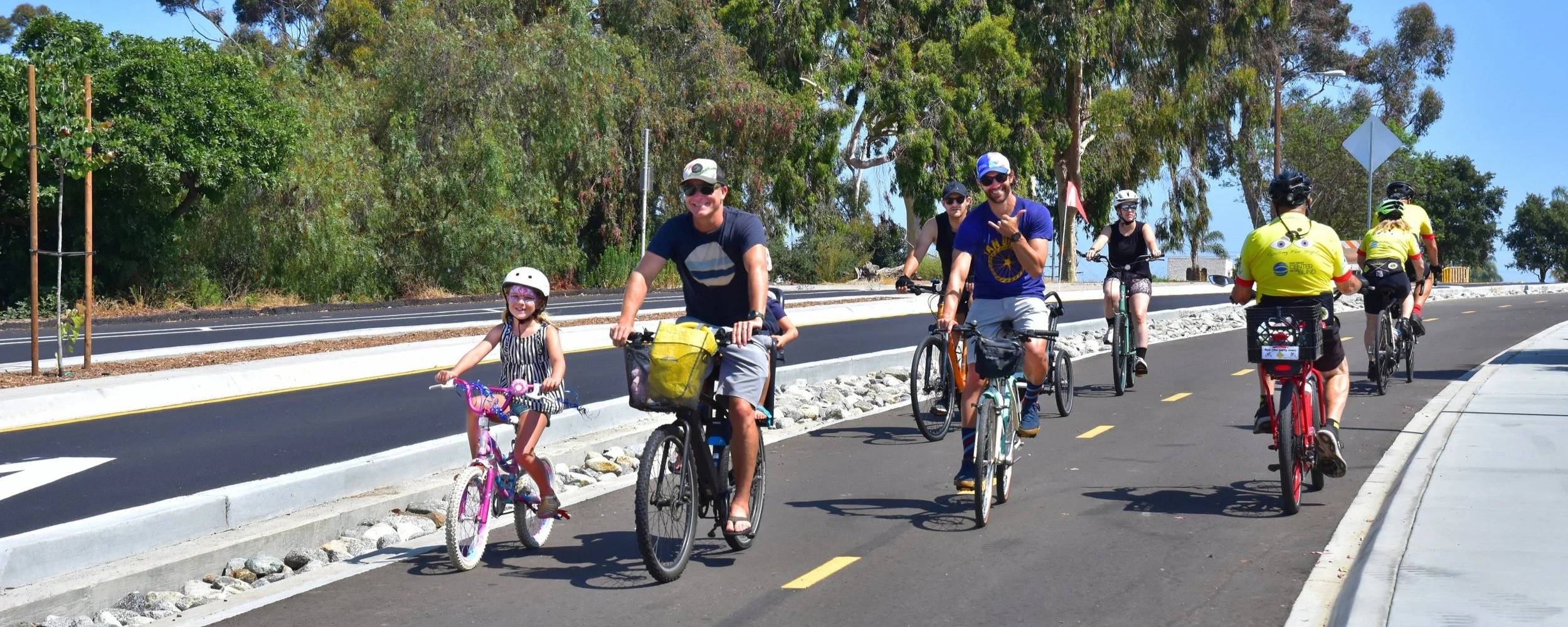
Safety First: Advocating for behavior, culture, and infrastructure that prioritizes safety. We acknowledge that well-designed, traffic-calmed streets with best-in-class pedestrian and bike infrastructure make all road users safer.
Connectivity: We are focusing on building seamless and connected bike networks. Getting the broader public to cycle requires a robust bike network that connects people to where they live and want to go.
Data-Driven Approach: It is essential to use high-quality data and evidence to inform the designs and plans for bike infrastructure. More broadly, data collection regarding bike infrastructure and cycling should be widespread, accurate, and relevant to our built environment.
Design: We firmly believe that thoughtfully designed streetscapes, incorporating traffic calming measures, dedicated pedestrian zones, and high-quality bicycle infrastructure, inherently contribute to the safety of all road users – drivers, pedestrians, and cyclists alike. A fundamental design principle is recognizing that "one size does not fit all" when creating safe and appealing cycling environments for diverse communities and neighborhoods. Design best practices include, but are not limited to, addressing:
Density and Land Use
Traffic Volumes and Speeds
Pedestrian Activity
Existing Infrastructure
User Demographics and Needs
Connectivity and Cohesion
Intersection Design
Traffic Calming Measures
Slow Speeds Save Lives: Numerous studies and a consideration of basic physics show that streets with slower design speeds reduce the severity of collisions and save lives.
Bike parking: Bike parking is much more flexible and is 20x more space-efficient than car parking. Cycling can be encouraged by providing easily accessible and abundant bike parking. Businesses are more successful and have more sales when bike parking is readily available.
-
Not inherently dangerous: Bicycles are not inherently dangerous when operated responsibly. However, exterior factors such as motor vehicles and poorly designed infrastructure can put bicycle riders in dangerous situations and discourage interested but concerned individuals from participating.
E-bikes: E-bikes, as defined in state law, are bikes. We support the use of legal e-bikes and encourage all road users to take bike education classes, such as All About E-Bikes.
Freedom to choose: Cyclists should decide how and where to ride based on what is safest for their speed & skill. Regulations restricting cyclists' placement on the road or adding prerequisites to bike use will only hinder the adoption of cycling and are not worth the effort to enforce.
-
Bicycle education: We encourage and promote bicycling education to inform people/cyclists of all ages and abilities about their rights and responsibilities as bike riders and help them gain the skills and strategies to ride safely, effectively, and confidently.
Driver education: Continuing motor vehicle driver education is essential to creating safer roads and raising the awareness of cyclists' rights as road users. Motor vehicle/Car drivers, who operate much larger and faster vehicles, should operate them intelligently, lawfully, and cautiously.
Awareness Campaigns: Awareness campaigns can be effective strategies for educating the public on safe transportation practices, and are low-effort and lower-budget ways to nudge road users towards safer behavior.
-
Working with cycling: We promote public transportation as an essential mobility means in sustainable communities. Public transportation and bikes can work harmoniously to reduce car trips and provide more mobility options for the general public. All public transit vehicles should be equipped to handle bicycles, and transit stops should have the infrastructure, such as secure bicycle parking, to encourage cycling to and from stops.
Bikeshare: As part of a regional or local micromobility strategy, bikeshare is a great way to connect people to their desired destinations within their local communities. It also serves as a highly desirable and sustainable means of making essential first-mile and last-mile connections to public transportation.
Public transportation infrastructure: Building more and better infrastructure for public transportation reduces vehicle trips and encourages people to consider using other forms of transportation. This increases bike usage.
-
Design > Enforcement: Design is the number one factor shaping driver behavior. Traffic enforcement is rarely necessary when streets and roadways are designed to ensure slow speeds, which increase safety. Similarly, good cycling infrastructure encourages safe and legal behavior among people on bikes.
Automated enforcement: The best way to enforce traffic laws is to use well-designed and well-operated systems that entrust the responsibility to computerized methods. These can include, but are not limited to, red light cameras, stop sign cameras, speed cameras, and cameras attached to buses or other municipal vehicles. Using automated enforcement systems helps to remove bias in traffic law enforcement, free up police time to respond better to emergency calls, and account for chronic staffing shortages.
Penalties for dangerous driving: Most people operate a motor vehicle daily, which can diminish the perceived gravity of that responsibility. Increasing penalties for dangerous or reckless driving, including those that cause injury or death, ensures that hazardous drivers are removed from the road and held accountable.
-
Land use: Considering land use and transportation together is crucial because they are deeply interconnected: land use patterns influence travel demand and transportation infrastructure, while transportation accessibility affects land development and activity patterns, impacting everything from commute times to economic opportunities.
Infill and dense development: Increasing the density of our cities and embracing more mixed-use zoning make cycling a viable transportation option for more people. Allowing amenities closer to where people live is essential for reducing car trips and making cycling feasible and convenient.
Parking requirements: Minimum parking requirements are counterproductive and backward laws driven by pseudoscience. They increase the costs of other forms of land use, including housing, commercial, office, and green space. Minimum parking requirements should be eliminated, and parking maximums should be introduced in urban areas.
-
Ensuring cycling is accessible to people of all ages and abilities: The design of our cities and bike infrastructure should allow everyone to feel safe and empower them to navigate their neighborhoods without concern for serious injury or death. When navigating the built environment, citizens, urban planners, and elected officials should constantly ask themselves questions such as:
“Would I let my child walk/ride here?”
“Is this convenient for those with mobility restrictions?”
“Am I able to get where I need or want to go on a bike?”
Cycling should feel safe and comfortable for people of all backgrounds: Riders should not be harassed due to their gender/gender expression, race, or sexual orientation.
-
Bikes lead to thriving communities: Our coalition members educate, advocate, and act as ambassadors for cycling, promoting the joy and freedom of riding a bike for everyone. Communities with more bikes and active transportation options are better equipped to thrive.
Building strong relationships with local communities: Infrastructure changes can be viable and enduring when the local communities are engaged in the development process.
Cycling as a community: Cycling is an activity that can foster bonds among diverse groups.
-
Investments in every community: The regional cycling network should be developed to prioritize the needs of historically underserved communities and ensure that communities that speak with “softer” voices are considered and invited to sit at the decision-making tables.
Completion: The focus of projects should include connecting existing network components.
Cycling as an affordable transportation method: Cycling is one of the most inexpensive ways to get around. Lower-income communities should have high-quality bike infrastructure and a traffic environment that allows them to live and thrive without the economic burden of owning a car. Cities and counties should prioritize policies and projects that reduce the cost of owning, operating, and maintaining a bicycle, particularly for lower-income populations.
Disproportionate costs: Lower-income populations or communities should not disproportionately bear the safety, health, and environmental costs of transportation.
-
Cycling is sustainable: Car emissions and tire particles are among the most significant sources of air pollution in urban areas. In contrast, cycling is immensely environmentally sustainable. Cities and counties looking to reduce greenhouse gas emissions should embrace and encourage cycling to help meet emission reduction goals.
-
Increased Physical Activity and Reduced Sedentary Behavior: A high-quality cycling network encourages daily cycling for transportation and recreation, leading to significantly higher levels of physical activity within the population. This combats sedentary lifestyles, a significant risk factor for numerous chronic diseases such as cardiovascular disease, type 2 diabetes, and some cancers.
Improved Cardiovascular Health: Regular cycling strengthens the cardiovascular system, leading to lower blood pressure, improved cholesterol levels, and a reduced risk of heart attacks and strokes. The consistent physical exertion provided by cycling as a mode of transport contributes significantly to these benefits on a population-wide scale.
Enhanced Mental Well-being: Cycling has been shown to reduce stress, anxiety, and depression. The convenience and enjoyment of cycling in a well-designed network can make it a preferred mode of transport, integrating physical activity into daily routines without feeling like a chore. Furthermore, the independence and freedom offered by cycling can boost mood and overall mental health within a community.