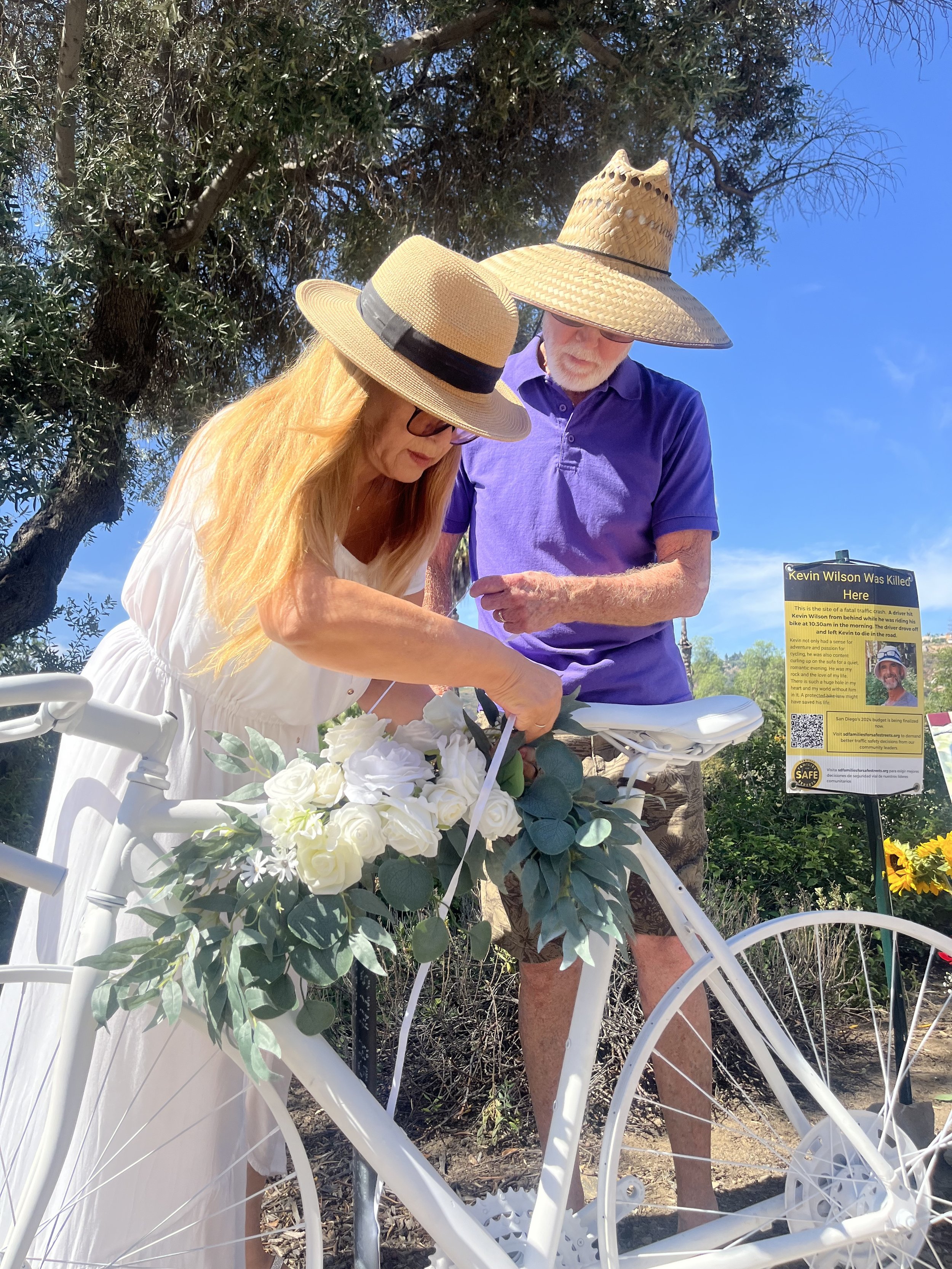
Are you a Victim of Traffic Violence?
What to Do After a Crash
If you’ve lost a loved one or been seriously injured in a traffic crash, this guide is here to help.
Crashes can involve cars, trucks, bikes, pedestrians, or even hazards outside anyone’s control. Whatever the cause, you deserve support and clear guidance for what comes next.

Immediate Action Steps
1. Stay at the Scene & Call the Police
Always call the police as soon as possible.
A police report is essential for insurance claims or legal action.
Make sure your statement is included — not just the driver’s.
Remember: injuries and damage may not be obvious right away.
2. Collect the Driver’s Information (But Don’t Negotiate)
Get the driver’s:
Name, phone, and address
License number & plate number
Vehicle make/model
Insurance details
⚠️ Even if they apologize, don’t negotiate or accept promises. If you later discover injuries and they deny the crash, your case will be harder to prove.
3. Record Details & Identify Witnesses
Write down everything you remember (time, place, road and traffic conditions)
Draw a diagram or take photos
Collect witness names and contact info
4. Check for Injuries & Property Damage
Get a medical evaluation right away
Have a bike shop document bicycle damage.
Written evaluations help with insurance and legal claims.
5. Get Professional Advice
Don’t negotiate directly with insurance companies.
Talk to an attorney to protect your rights.
Free help: Call Locate Legal at (877) 899-0308 to connect with an attorney within 10 minutes.
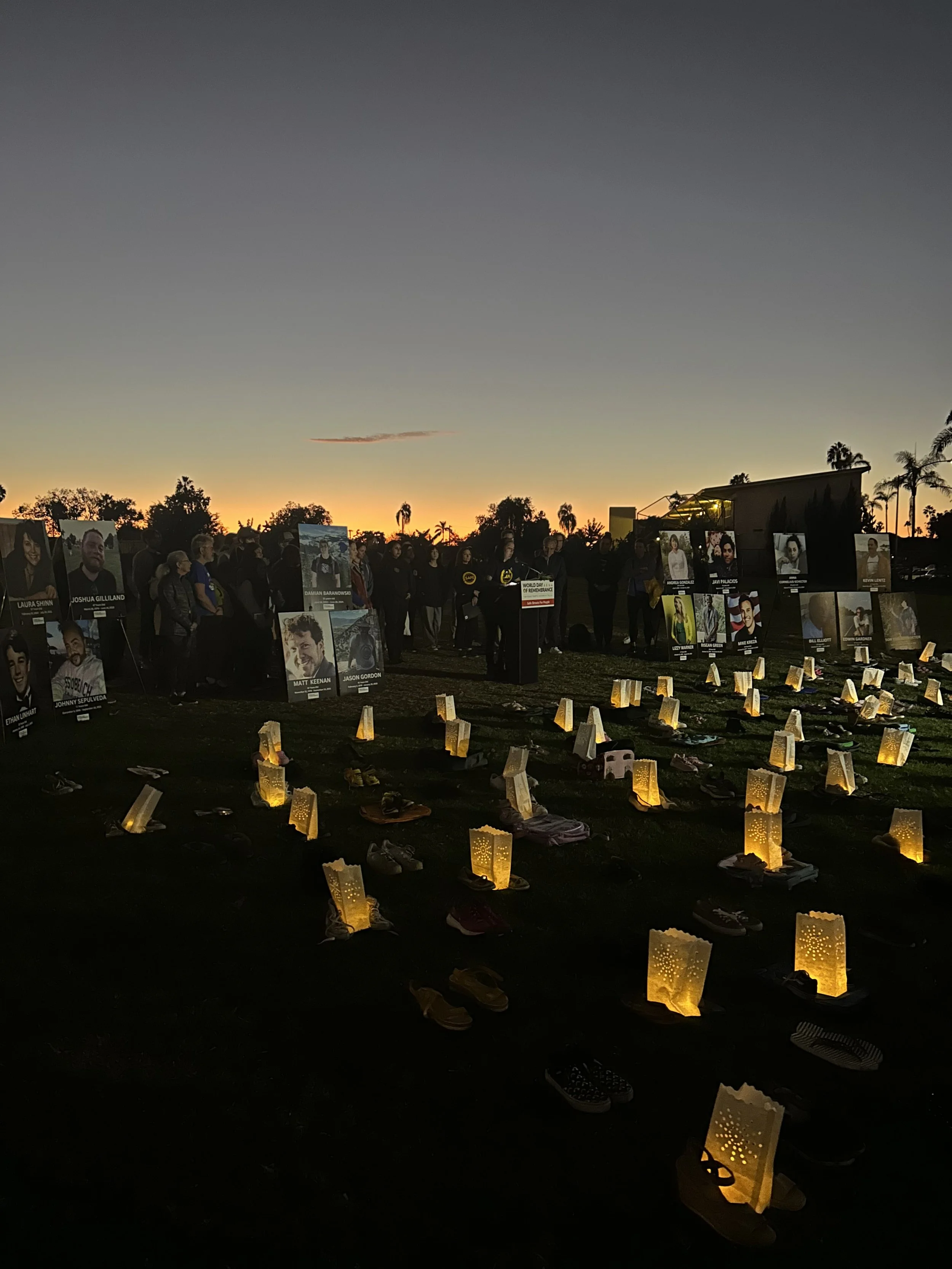
Gathering Evidence
Evidence can fade quickly, so act fast.
Video recordings: Ask nearby businesses about security cameras. Some footage is deleted within 24 hours.
Photos: Capture skid marks, debris, damaged vehicles, or property.
Witnesses: Follow up with bystanders or local businesses. Post flyers if needed.
Why Consult an Attorney?
Most crash attorneys work on a contingency basis (you pay nothing unless they win your case).
Consultations are free.
Lawyers can help collect evidence, handle insurance claims, and fight for fair compensation.
Insurance Claims
Call the driver’s insurance company to open a claim.
Provide only basic facts (who, when, where).
Do not share full details or medical info before speaking to an attorney.
Check your own auto insurance; you may be covered as a pedestrian or cyclist.
Get the Support You Need
Healing takes more than medical care.
Ask for a hospital social worker or patient advocate to help with paperwork, insurance, and discharge planning.
Speak with a chaplain or counselor for emotional support.
Make sure you have proper care arranged before being discharged.
Connect with others: join the Cycling Crash Support Group on Facebook.
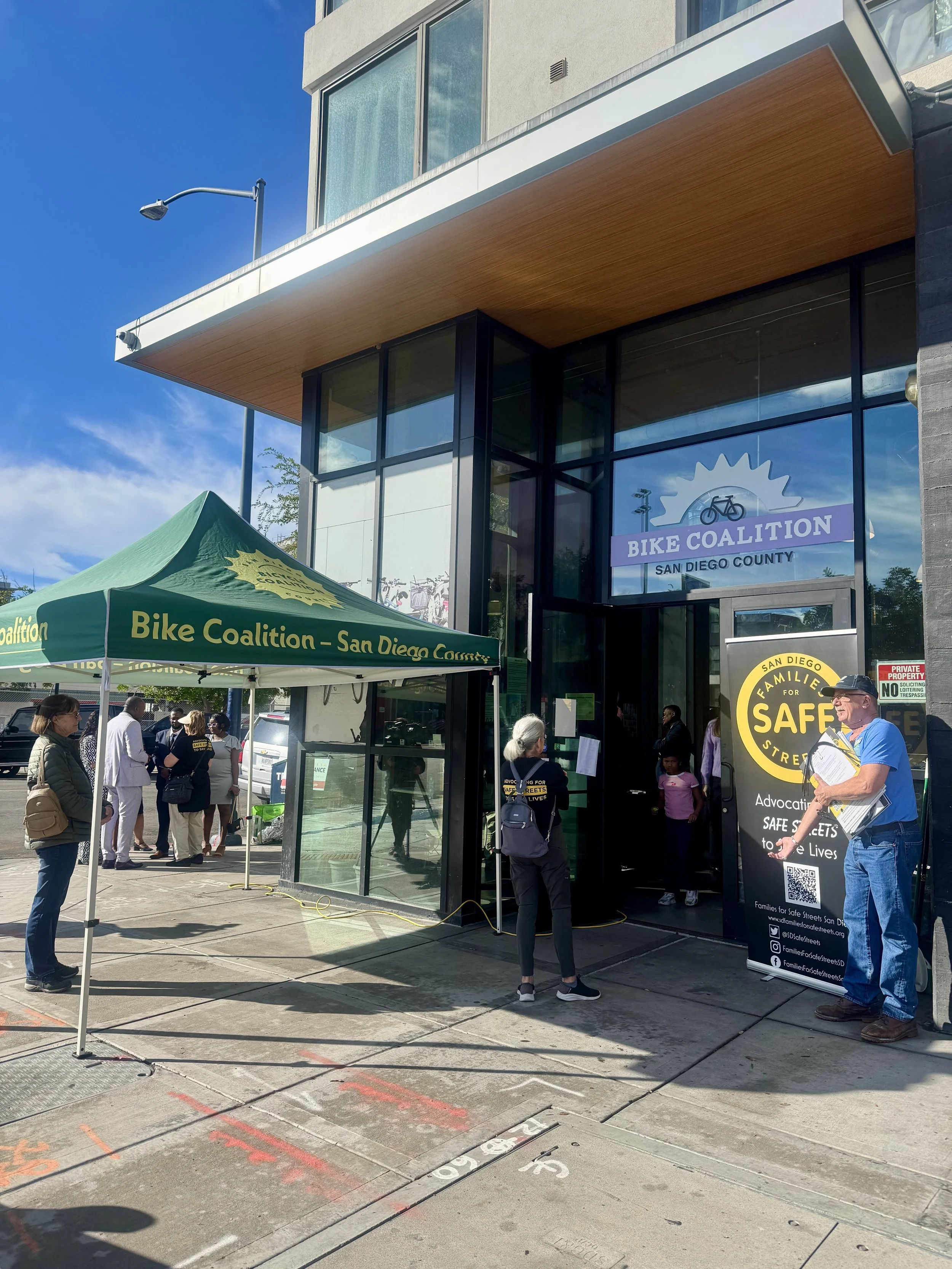

Prepare Yourself
Sadly, many survivors discover how broken the system is. Families and victims often describe frustration with police, prosecutors, insurance companies, and the media. Knowing this upfront can help you prepare (and push back).
Additional Resources
After a Crash
What to Do When You’re Hit by A Car – Laura Bliss, CityLab
If You Crash… – Lauren LeClaire, MassBike
What to Do if You’re Hit by a Car While Riding – Greg Hanscom, Grist
Emotional Recovery
RoadPeace — UK charity supporting crash victims
[MADD Support Literature] — guides for injury and bereavement, in English & Spanish
Financial Recovery
How is a Pedestrian Hit by a Car Compensated? – AllLaw.com
Hit & Run and Uninsured Drivers – Wheels of Justice
Legal Resources
Understanding No-Fault Laws – NY Bicycle Coalition
Crime Victims’ Rights – US Dept. of Justice
Lawyers for Injured Pedestrians & Cyclists – Transportation Alternatives
You’re Not Alone
Traffic violence is devastating, but support and resources exist. Use this guide to protect yourself, connect with help, and begin the path toward recovery.