


What Is E-Bike Sharing?
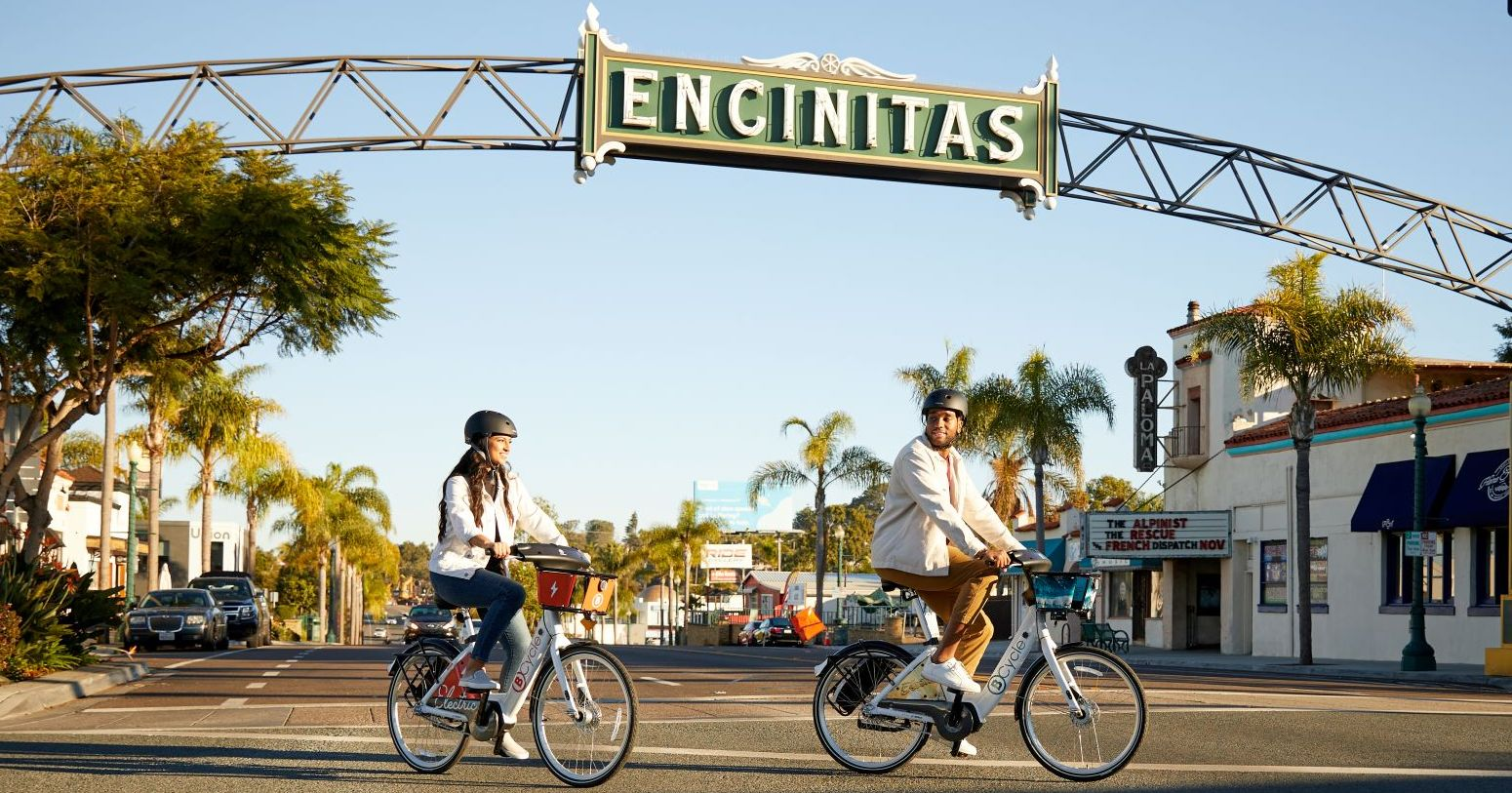
E-bike sharing is a mobility service that provides short-term access to electric-assist bicycles through a network of designated parking locations. Riders unlock an e-bike for a trip and return it to the same or another authorized location within the system.
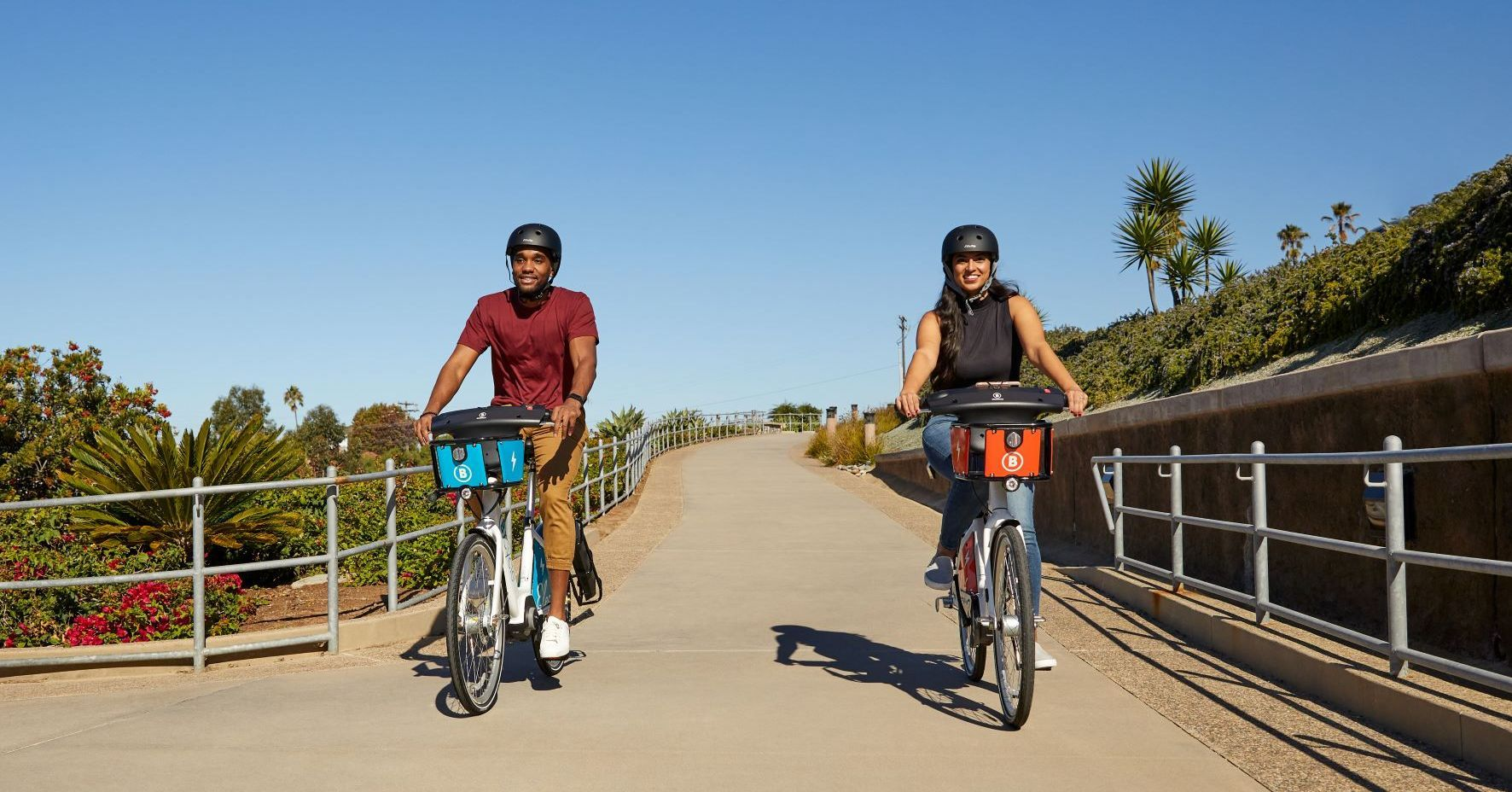
The electric assist makes biking more accessible, allowing people to travel longer distances and navigate San Diego's hills with less effort, while still getting exercise.
Why Docked E-Bike Share?
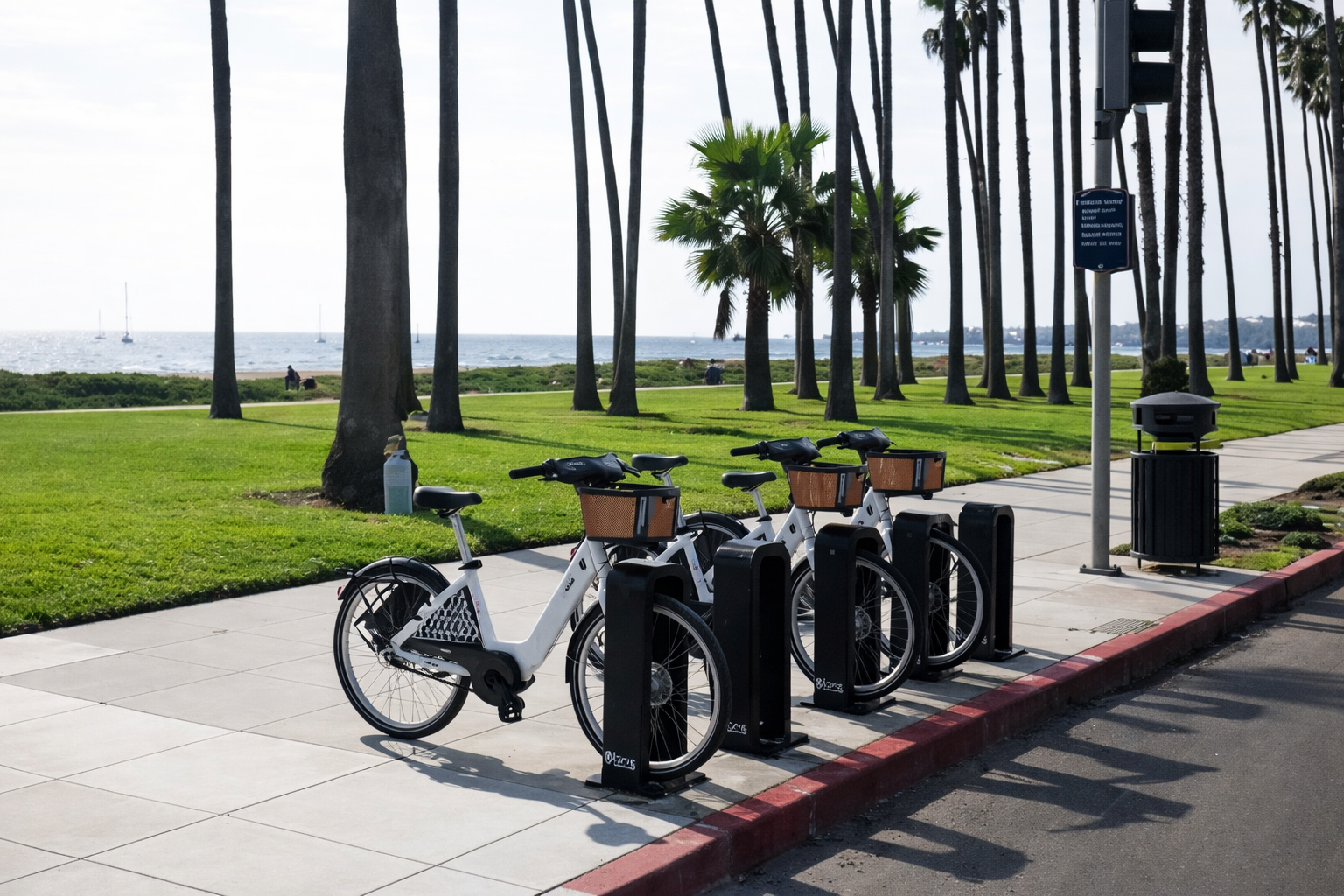
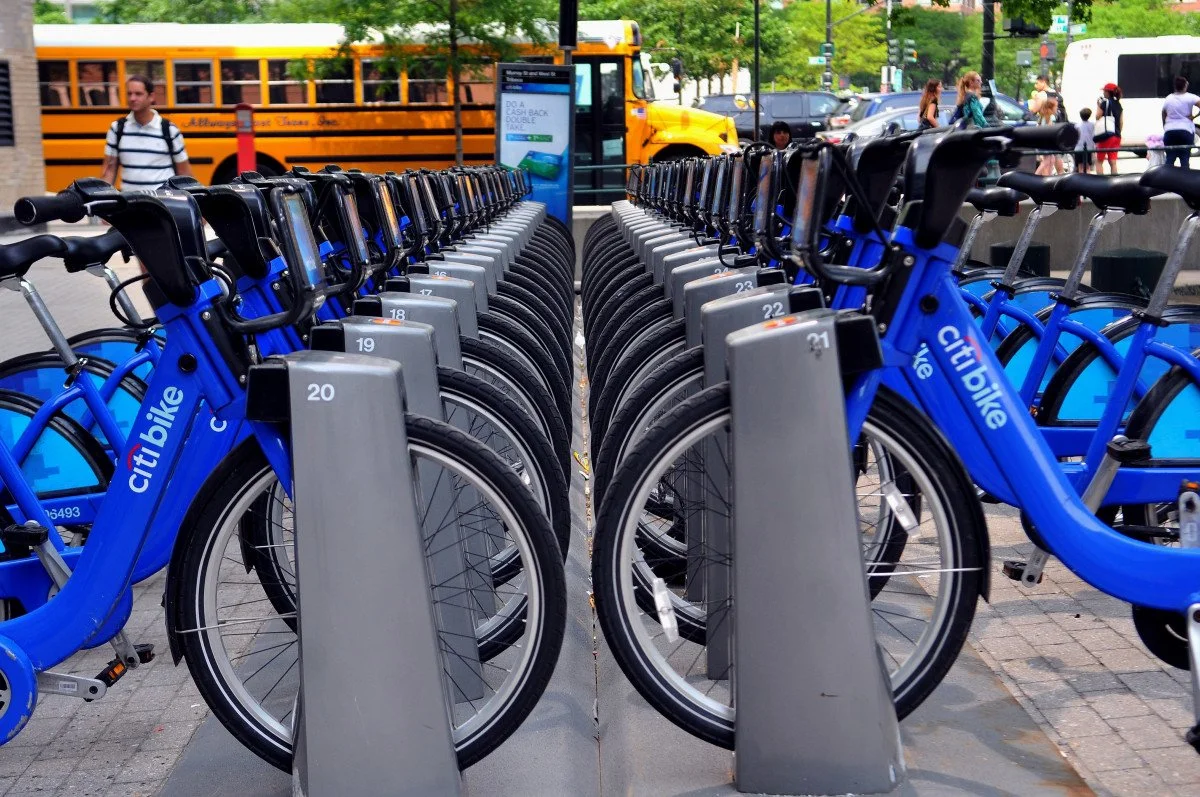
Docked e-bike share stations offer predictable, organized infrastructure that benefits everyone. Unlike dockless systems, docked stations keep sidewalks clear and ensure bikes are maintained and available when you need them.
Docked systems are built for:
Predictable parking and organized public spaces
Reliable bike availability and consistent maintenance by experienced mechanics
A cohesive network that supports visitors, commuters, recreation, and economic development
Clear operating standards across multiple jurisdictions
Get Involved
There are three ways to take action today:
1. Sign the Letter of Support. Do you represent a Community-Based Organization? Sign your organization's name to a regional statement supporting a docked e-bike share network in San Diego County.
2. Join the Regional Bike Share Alliance. If your city, agency, campus, or district is interested in participating, join the coalition working toward a single, coordinated program and a single vendor contract. Contact ian@sdbikecoalition.org to join or for more info.
3. Sign our Petition to grow the movement. Are you an individual who would love to use a regional bike share program?
In the News
The Bike Coalition's push for bikeshare is making headlines. Read the San Diego Union-Tribune opinion piece on why San Diego needs bikeshare, and how it's thriving in big cities across the country.
How It Gets Funded
Bike share is not a revenue-generator, but a form of public transportation. A successful program requires a realistic funding plan and a shared commitment to affordability.
We are advancing a Five-Pillar Funding Model:
Corporate Title Sponsor -- multi-year sponsorship to anchor the program
Public-Private Partnership -- including developer participation and public support
Operator Financing -- vendor capital contributions to help launch and scale
Employer and University Subsidies -- memberships supported by institutions
Dedicated Public Funding -- targeted investment to fill gaps and ensure equitable access
Affordability matters. Jurisdictions should consider subsidizing memberships for residents -- especially low-income riders, students, and essential workers -- so the system delivers broad economic and mobility benefits across the region.
A Regional Approach: One MOU, One Common Contract
To avoid duplication and maximize economies of scale, we encourage jurisdictions and partners to collaborate through a Memorandum of Understanding (MOU).
The shared goal is straightforward:
One coordinated planning process
One procurement pathway
One interoperable, countywide system
One common contract structure that a wide range of agencies can execute
This approach reduces administrative burden, improves the customer experience, and strengthens the region's ability to secure strong private-sector participation.
Economic Benefits for the Region
Bike share is an economic development and mobility investment. A regional docked e-bike share system can:
Increase customer access and local spending in business districts
Improve access to jobs, education, and services
Reduce household transportation costs and support cost-of-living relief
Strengthen transit ridership and expand first/last-mile connections to MTS and NCTD
Support housing affordability by enabling reduced parking requirements in high-mobility areas
Create local jobs tied to operations, maintenance, and community outreach
Climate Alignment
Transportation is a major source of regional emissions. Many San Diego County jurisdictions, universities, and agencies have adopted Climate Action Plans calling for increased biking, improved transit access, and reduced vehicle miles traveled.
A regional bike share system supports these goals while delivering direct economic value to communities across the county.
Safety, Education, and Community Outreach
A bike share system succeeds when people feel safe riding and know how to use it. We support robust education and outreach efforts delivered in partnership with trusted nonprofit organizations and League Certified Instructors who can teach:
City commuting basics
Safe e-bike riding fundamentals
School-based education programs for youth
Adult education courses for new riders
We also support consistent operating standards for maintenance, customer service, and performance reporting.
What Happens Next
We are calling for a joint Request for Information (RFI) to the bike share industry to explore what is possible. We are asking governments, transit agencies, universities, and employers to come together in this regional effort.
This approach signals to the bike share industry that San Diego is serious and ready to collaborate.
An RFI would help regional partners evaluate:
Sponsorship and advertising potential
Operator financing capacity
Cost assumptions and service-level options
Long-term operating models that keep the system affordable
This is a low-risk step that produces high-value information before any binding commitments are made.
Frequently Asked Questions
-
We are a growing collection of regional leaders, including the City of San Diego’s Climate Advisory and Mobility Boards, who believe in bike sharing and want to see it become a reality in San Diego. Join by signing our letter of support!
-
Dockless devices do not need to be secured to a dock at a designated station. While virtual hubs can be effective in some contexts, docked systems have a stronger track record of long-term success and help keep sidewalks clear for people who cannot move dockless devices out of the way.
-
A coordinated regional system reduces administrative costs, creates a better experience for riders traveling across city boundaries, and makes San Diego a more attractive partner for private operators and sponsors. One system means more bikes, more stations, and more value for everyone.
-
Affordability is central to our vision. The funding model includes dedicated public funding and employer or university subsidies to support reduced-cost memberships for low-income riders, students, and essential workers.
-
We are currently in the coalition-building and RFI phase. Signing the letter of support and joining the MOU coalition are the most important steps right now. Stay subscribed for timeline updates as the program moves forward.