

Bike Coalition In the News
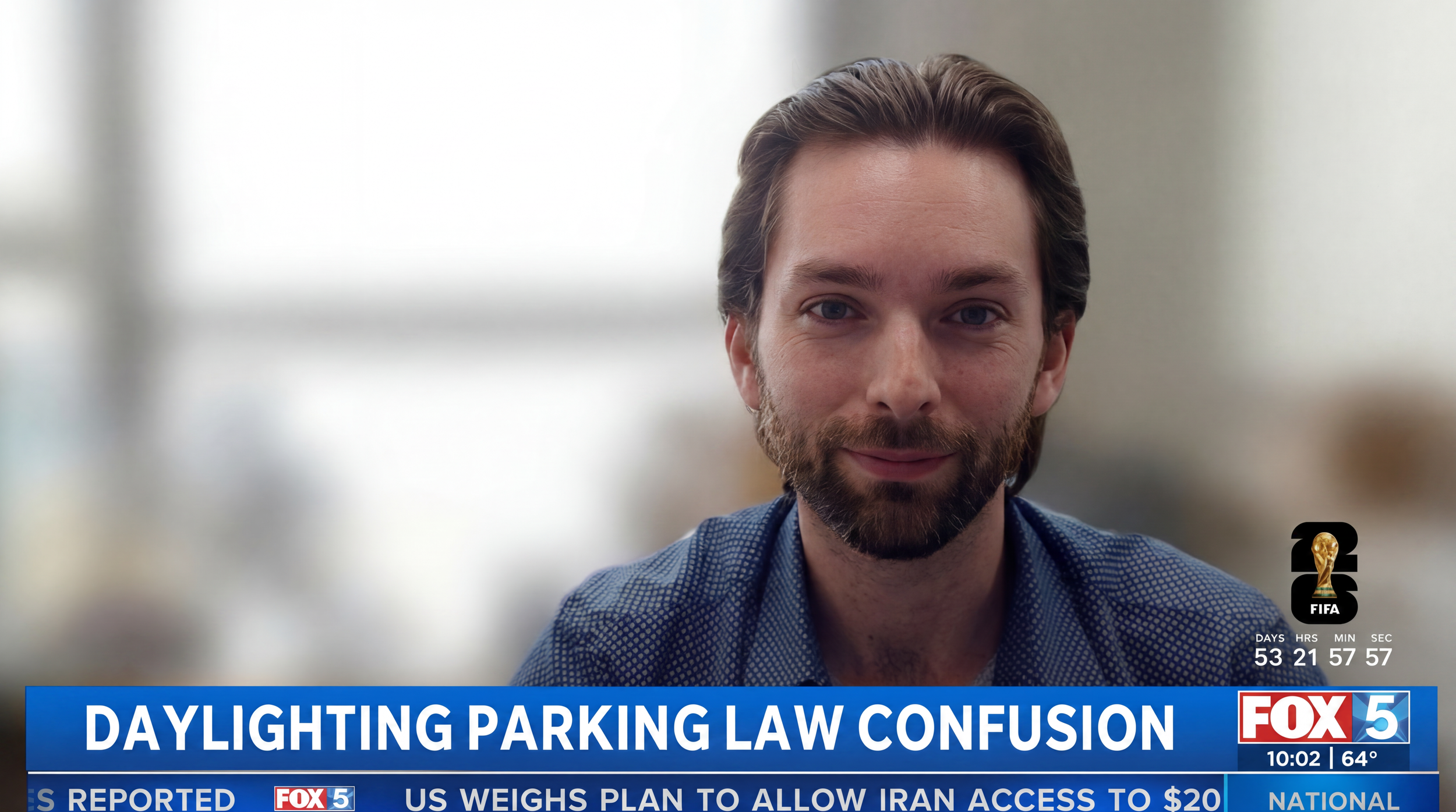
San Diego's daylighting law, which prohibits parking within 20 feet of a crosswalk, has improved intersection safety but left many drivers confused due to unpainted curbs and inconsistent signage. The San Diego County Bike Coalition has praised the law's progress while raising concerns that the proposed FY27 budget cuts to the multimodal team could slow the city's effort to paint the more than 16,000 impacted intersections. The coalition has called on the city to establish a dedicated daylighting fund to keep momentum going.
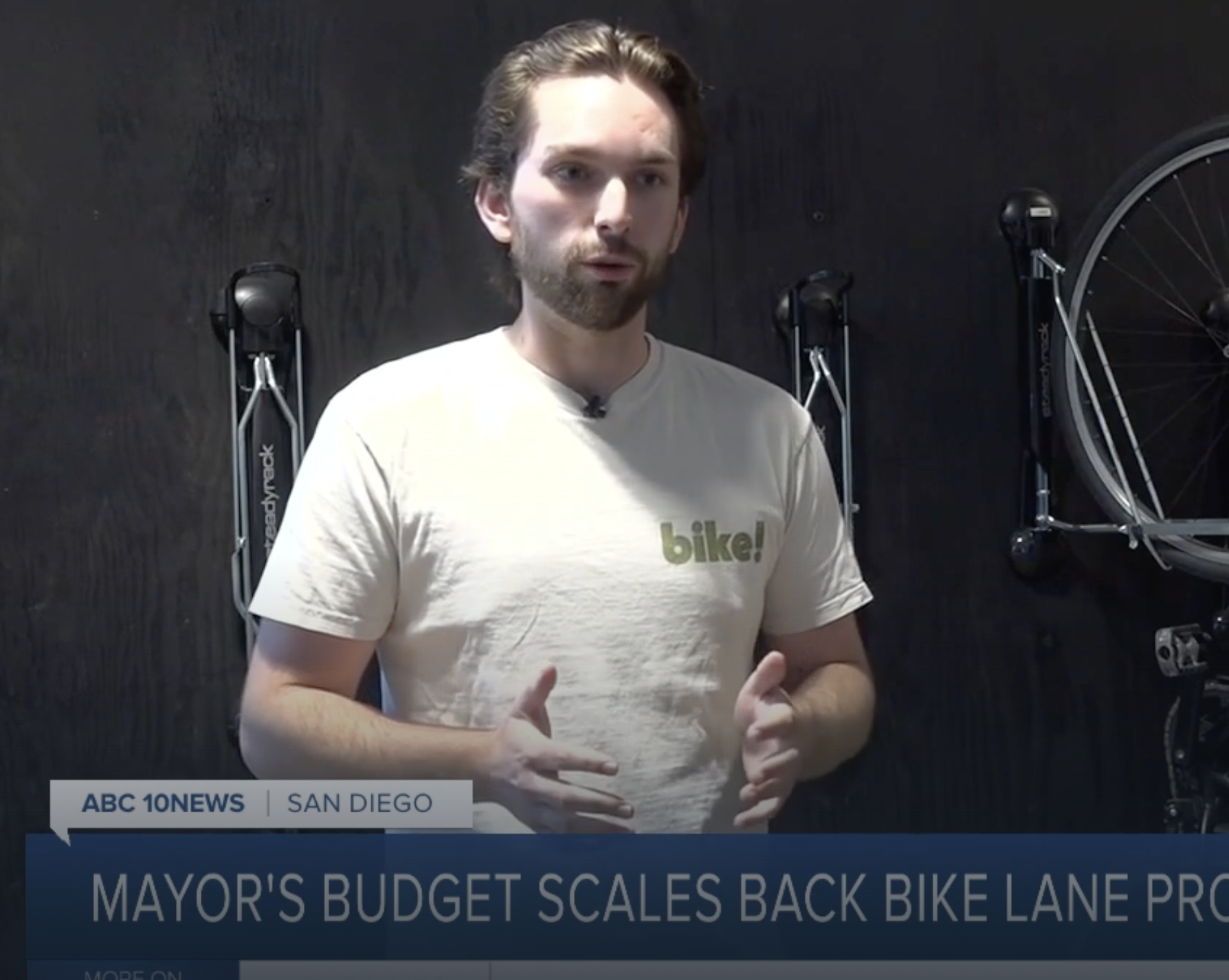
San Diego Mayor Todd Gloria's proposed FY27 budget would eliminate the multimodal team responsible for planning and designing bike lanes across the city. The San Diego County Bike Coalition called the proposal deeply disappointing, warning that cutting these positions would set back bike infrastructure projects by years. The budget is still in its early stages, with a public comment period ahead and a final adoption deadline of June 15th.
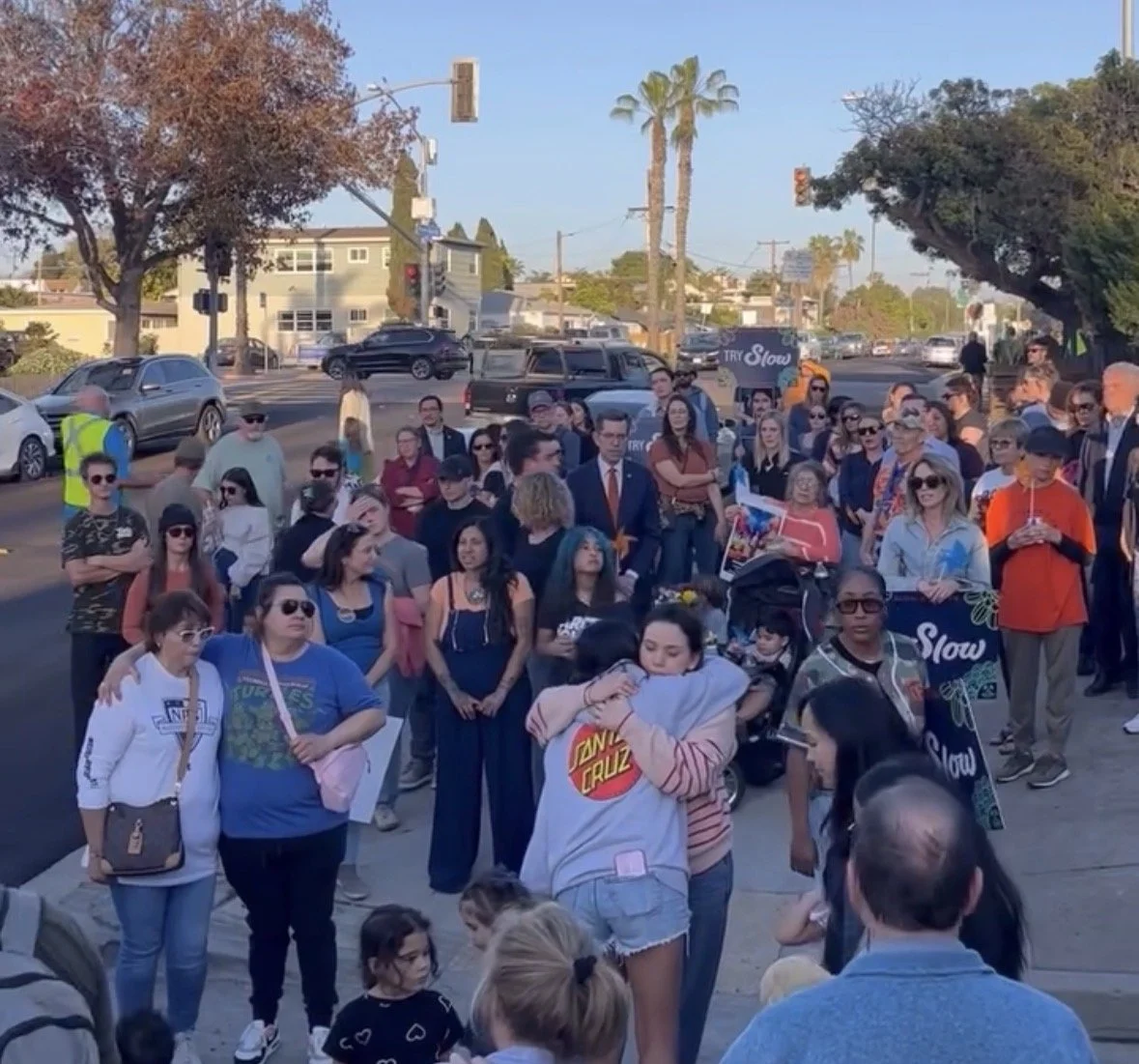
Two fatal hit-and-run crashes in Pacific Beach have sparked urgent calls for safer streets. Families for Safe Streets, city leaders, and advocates urge speed reductions, protected bike lanes, and traffic calming. Chloé Lauer of the Bike Coalition emphasized that speed is the root cause, calling for safety-focused street design to prevent future tragedies.
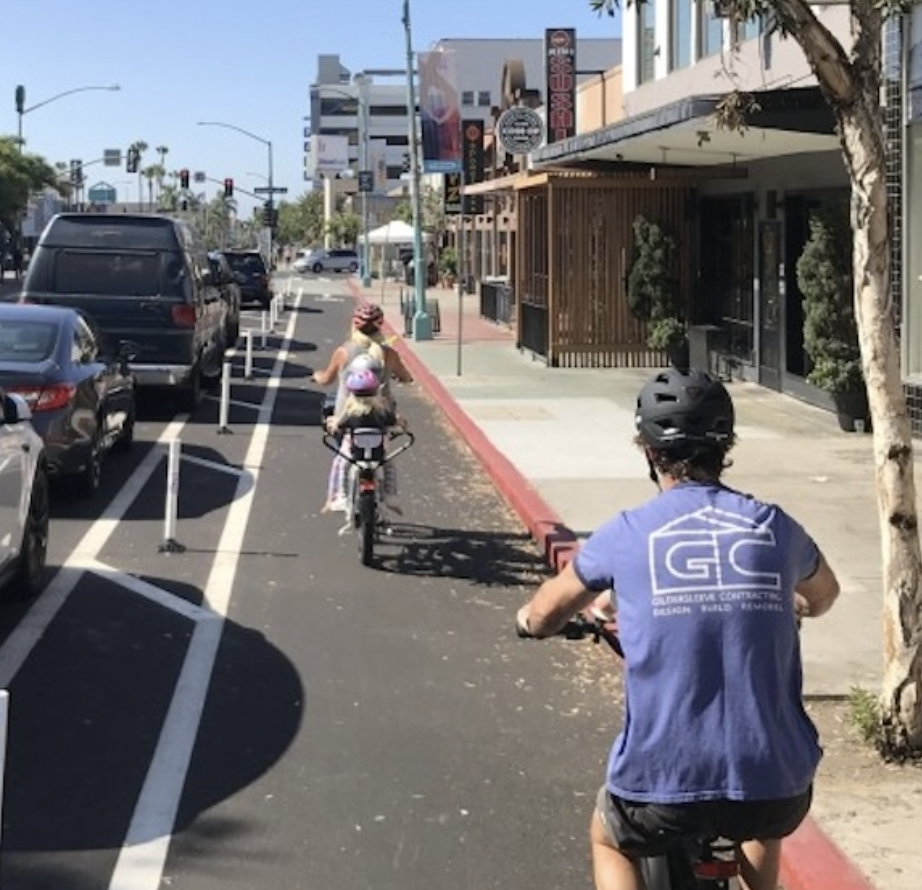
San Diego’s protected bike lanes on 30th Street have driven four straight years of increased ridership, showing sustained growth since installation in 2021. Annual trips more than doubled initially and continued rising as the lanes connected key destinations and served as a local example of how protected infrastructure boosts bike use.
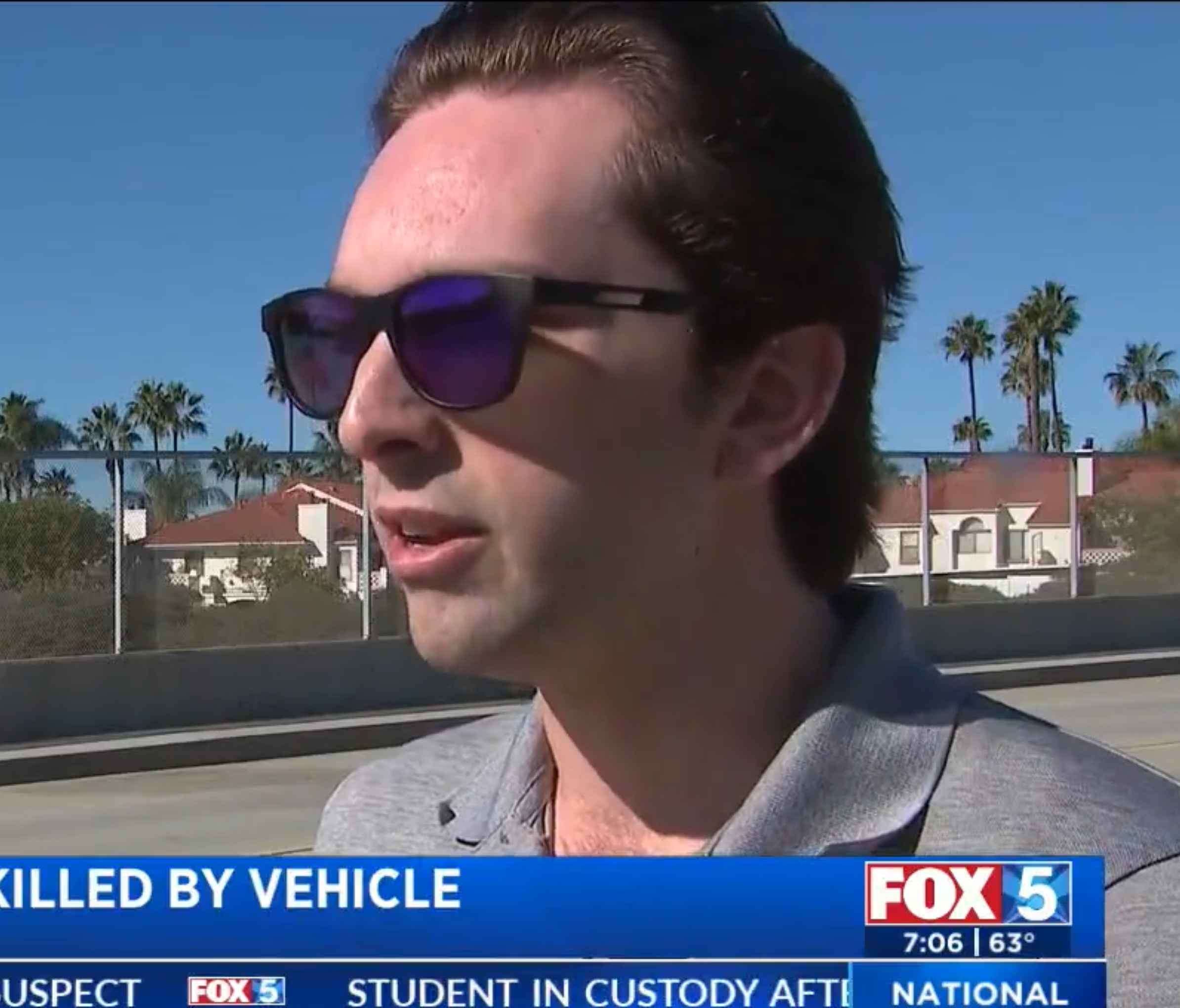
As e-bike use grows across San Diego, local officials and safety advocates are raising concerns about crashes, speed, and rider awareness. FOX 5 highlighted the Bike Coalition’s ongoing efforts to educate riders through e-bike safety classes, emphasizing that education is essential to keeping riders of all ages safe on our streets.
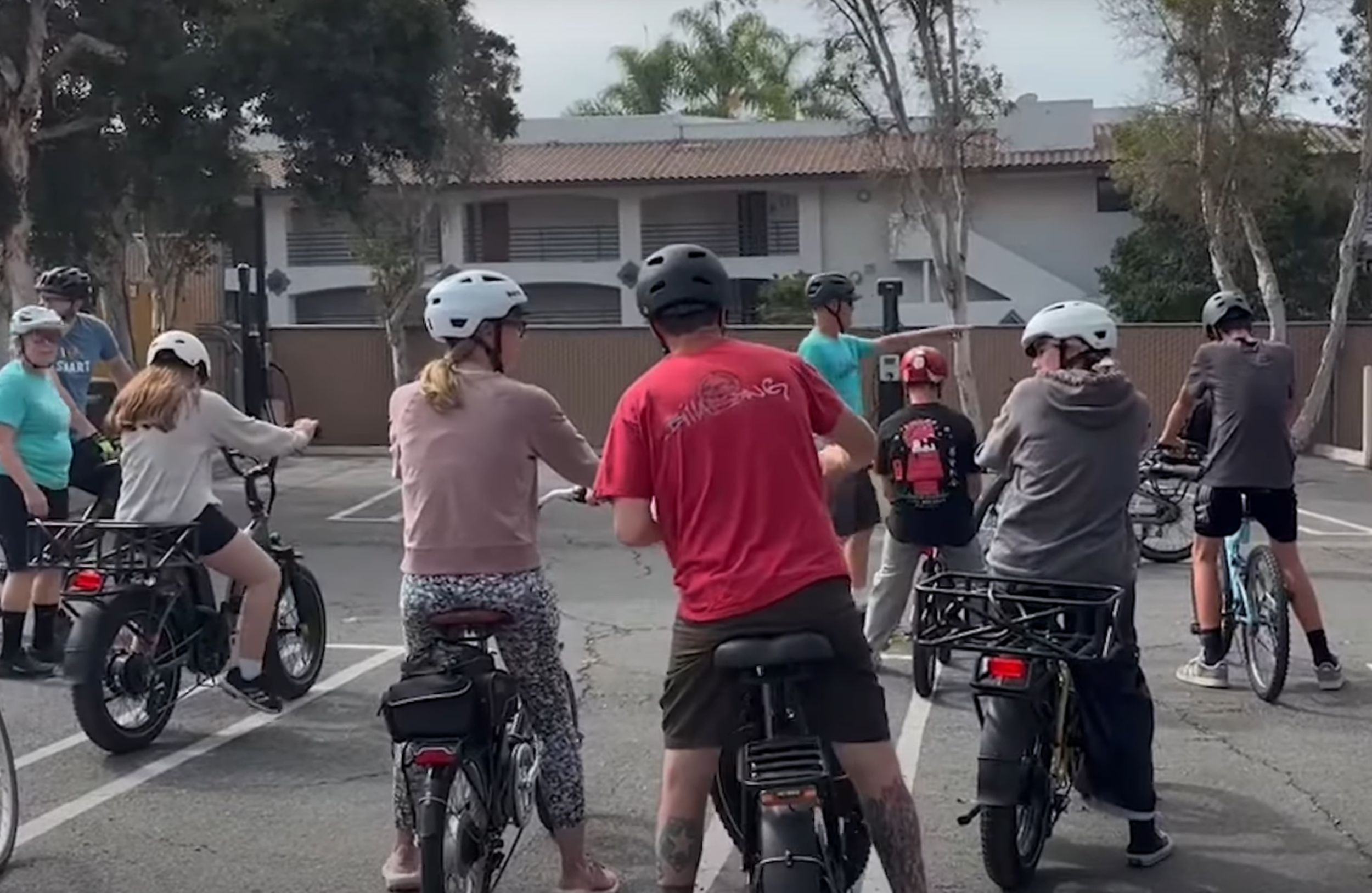
While e-bikes can give San Diego youth greater independence and make it easier to navigate hilly routes, emergency doctors warn they also lead to more serious injuries due to higher speeds and control challenges. A KPBS report followed one of our Bike Coalition classes teaching kids safe riding skills, highlighting that education is key to keeping young riders confident and protected on local streets.
Read the Article
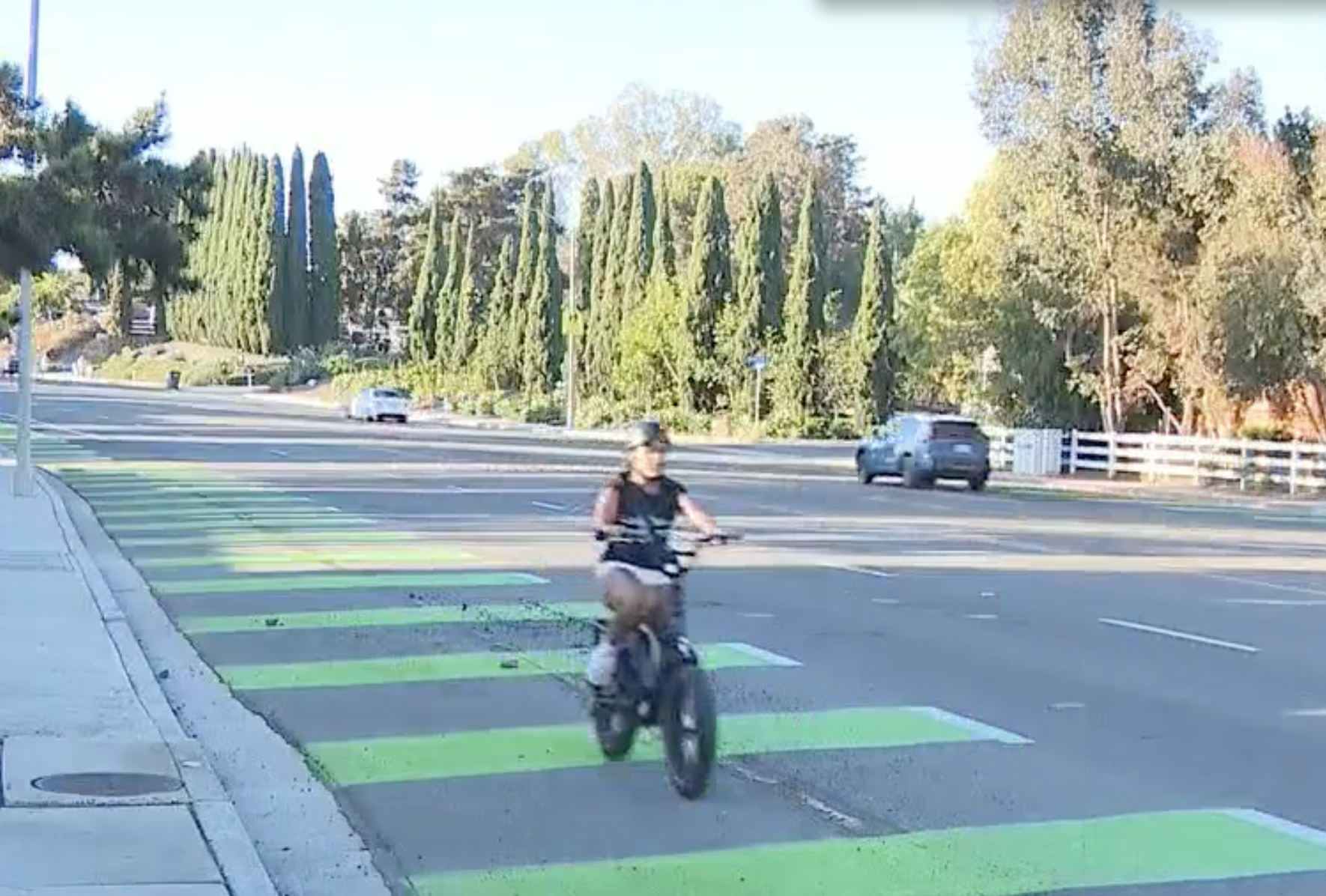
New infrastructure often takes time for people to adjust to, but Vista's City Council chose to remove protected bike lanes just months after installation, before the community had time to acclimate. Advocates warn that this reactionary move prioritizes short-term discomfort over long-term safety for people who bike.
Read the Article

“If the logic is that a curb or barrier should be removed because a car might hit it, we risk setting a dangerous precedent,” said Chloé Lauer, responding to Vista’s decision to dismantle newly installed protected bike lanes following driver complaints.
Read the Article
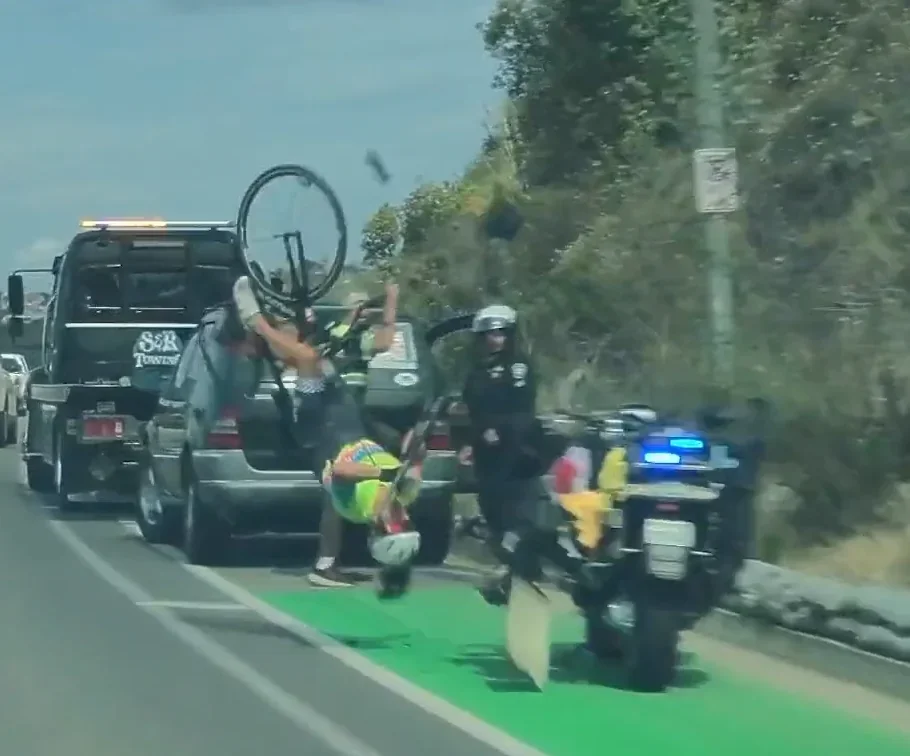
Kevin Baross, Education Manager with the San Diego County Bike Coalition, viewed the video and commented on the incident. "Obviously, it's important to look where you're going. I think it'd be silly to say anything else," said Baross.
Vista, California’s Mayor John Franklin says a fully installed protected bike lane is evidence of an “anti-vehicle agenda.” San Diego Bicycle Coalition Advocacy & Community Manager Ian Hembree sheds light (13:44).
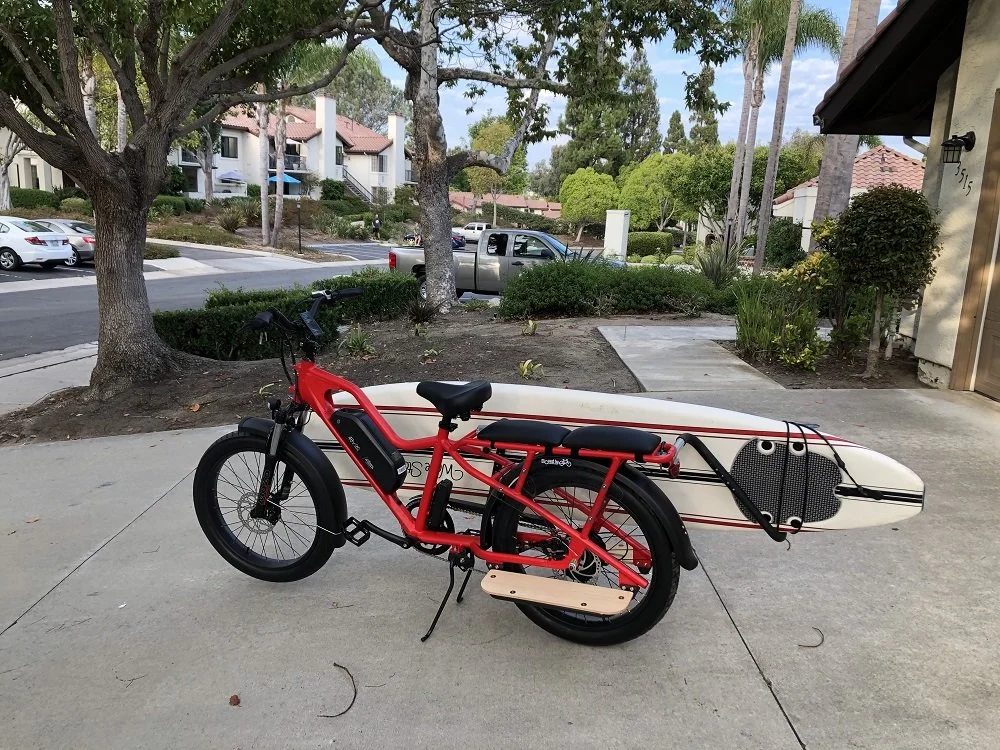
“Regulations in accordance with the other cities would make the law clearer for both cyclists who are traversing all three cities and law enforcement whose responsibility it is to enforce the law,” Ian Hembree, advocacy and community manager for the San Diego County Bicycle Coalition, said during public comment.

Lower speed limits save both lives and money, says Ian. Reducing speeds has been proven to decrease crash severity and insurance costs, but speed limits alone aren’t enough. True safety comes from better street design—including narrower lanes, speed bumps, raised crosswalks, and protected bike lanes. With traffic fatalities still too high, these infrastructure changes are key to creating safer, more livable streets for everyone.
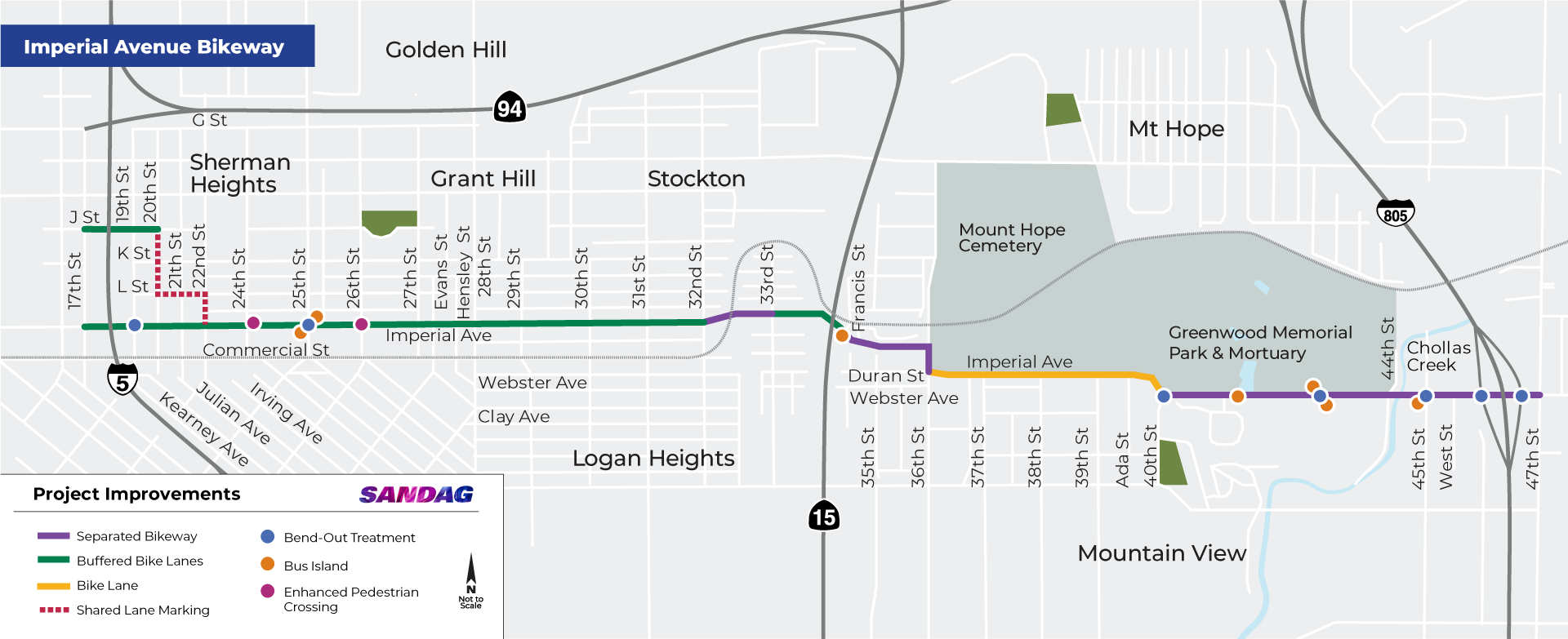
Chloé was recently featured in the news discussing the Imperial Avenue Bikeway Project, a transformative investment in Southeast San Diego. In her interview, Chloé highlighted how the project will improve safety, mobility, and business access, countering misconceptions that bike lanes hurt local businesses. Rather, protected bike lanes can boost foot traffic and revitalize storefronts. As the city works towards Vision Zero, the Bike Coalition continues advocating for complete streets that serve everyone.

After losing her husband Matt Keenan to a preventable bike crash in Mission Valley, Laura Keenan turned her grief into action. She co-founded Families for Safe Streets San Diego, advocating for safer intersections, lower speed limits, and protected bike lanes.
Advocacy
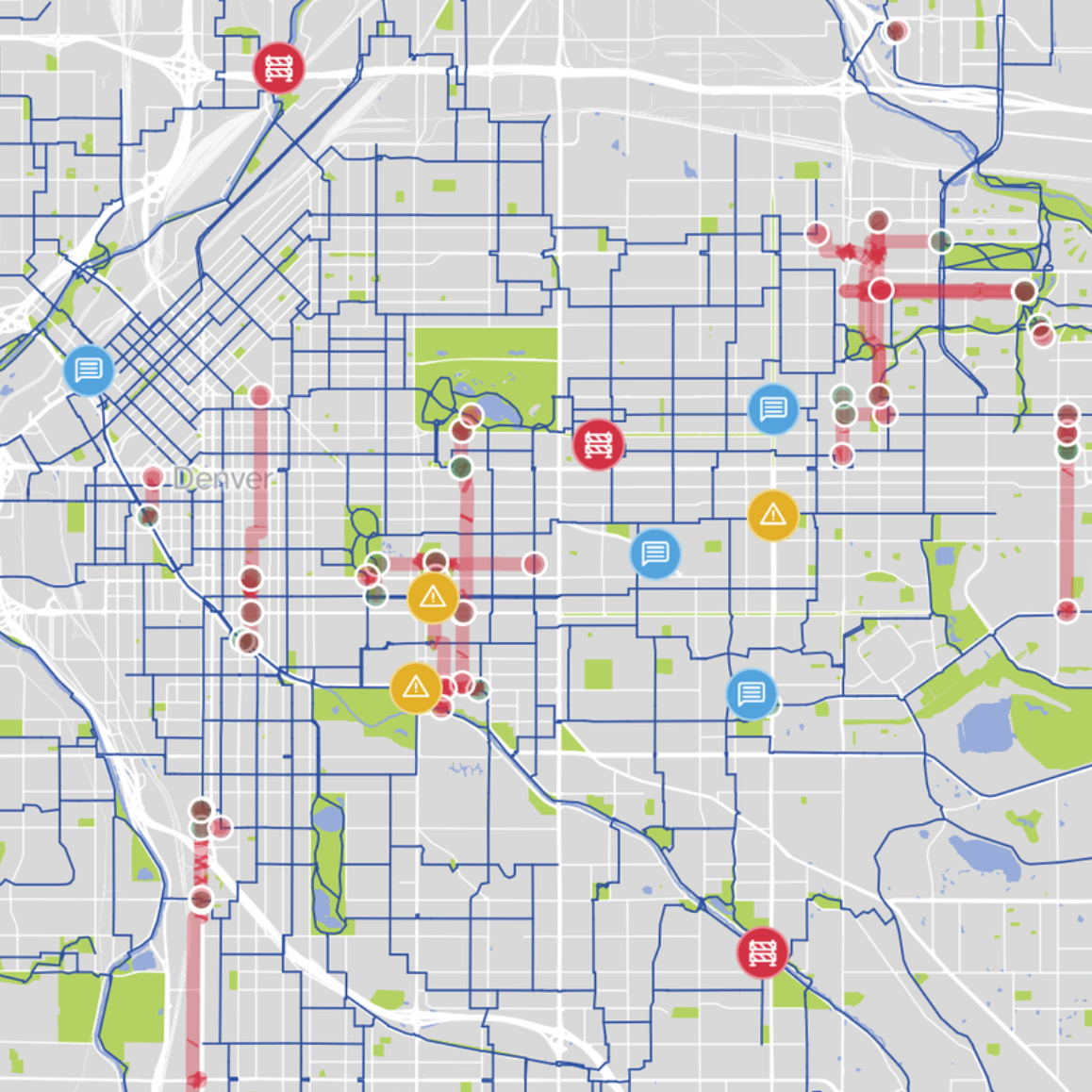
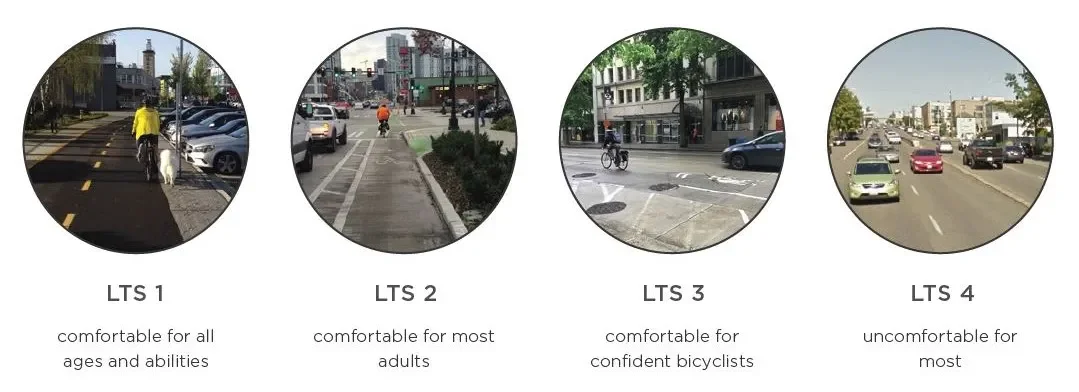
Every rider knows a route worth sharing, the shortcut, the quiet street, the path that feels safe. We're joining forces with Bike Streets to turn that local knowledge into San Diego's first crowdsourced low-stress bike map.
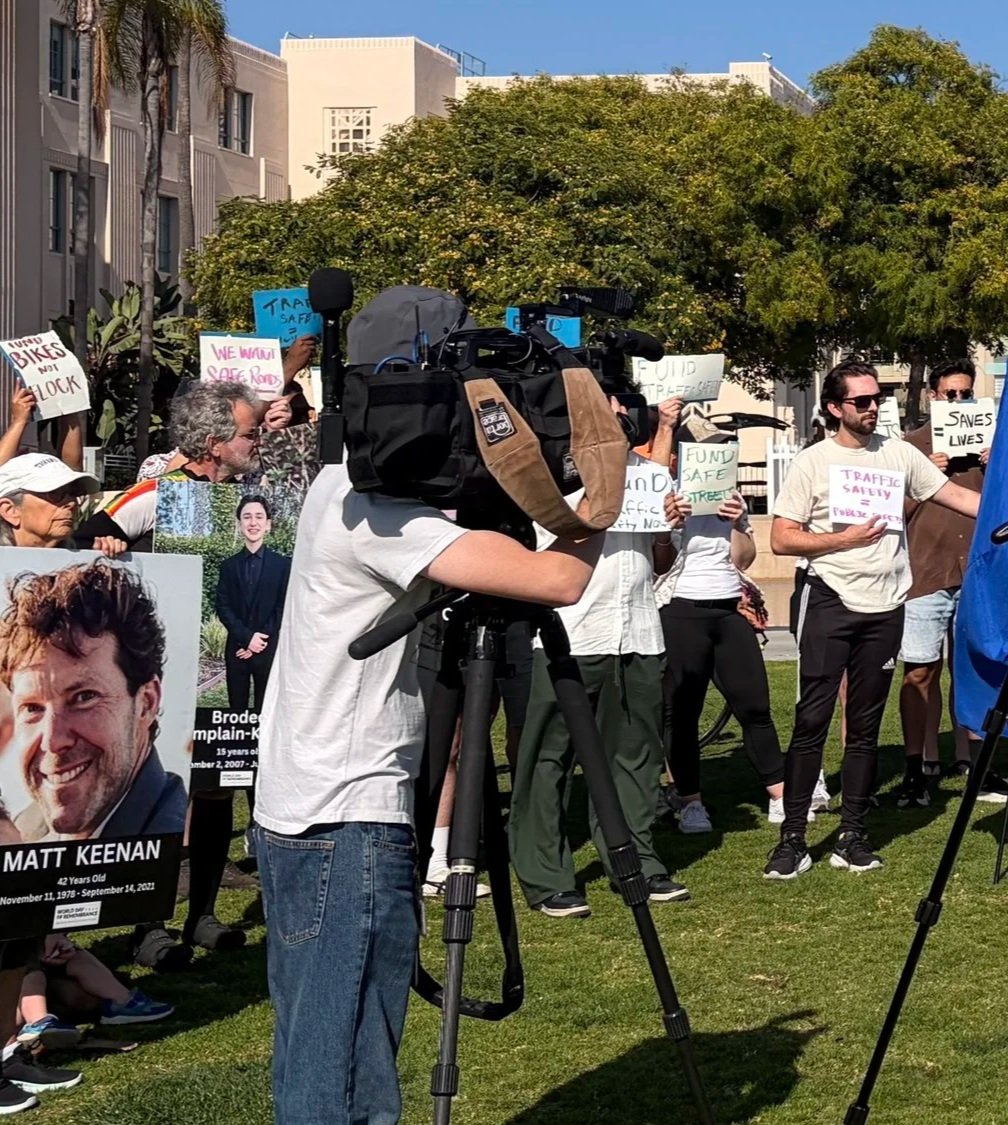
Thanks to the collective effort of hundreds of advocates, the San Diego County Bike Coalition and our Vision Zero partners secured major safety wins in the City of San Diego's FY27 budget, including funding to fix the 15 deadliest intersections, slow speeds on 20% of city streets, and save the Transportation Department's Multimodal Team from elimination. These victories show what's possible when our community comes together around a simple truth: our streets should work for everyone.
When cities talk about redesigning streets, the conversation is often framed as a trade-off: safety versus convenience, bikes versus cars, change versus the status quo. But decades of transportation research tell a much clearer story.
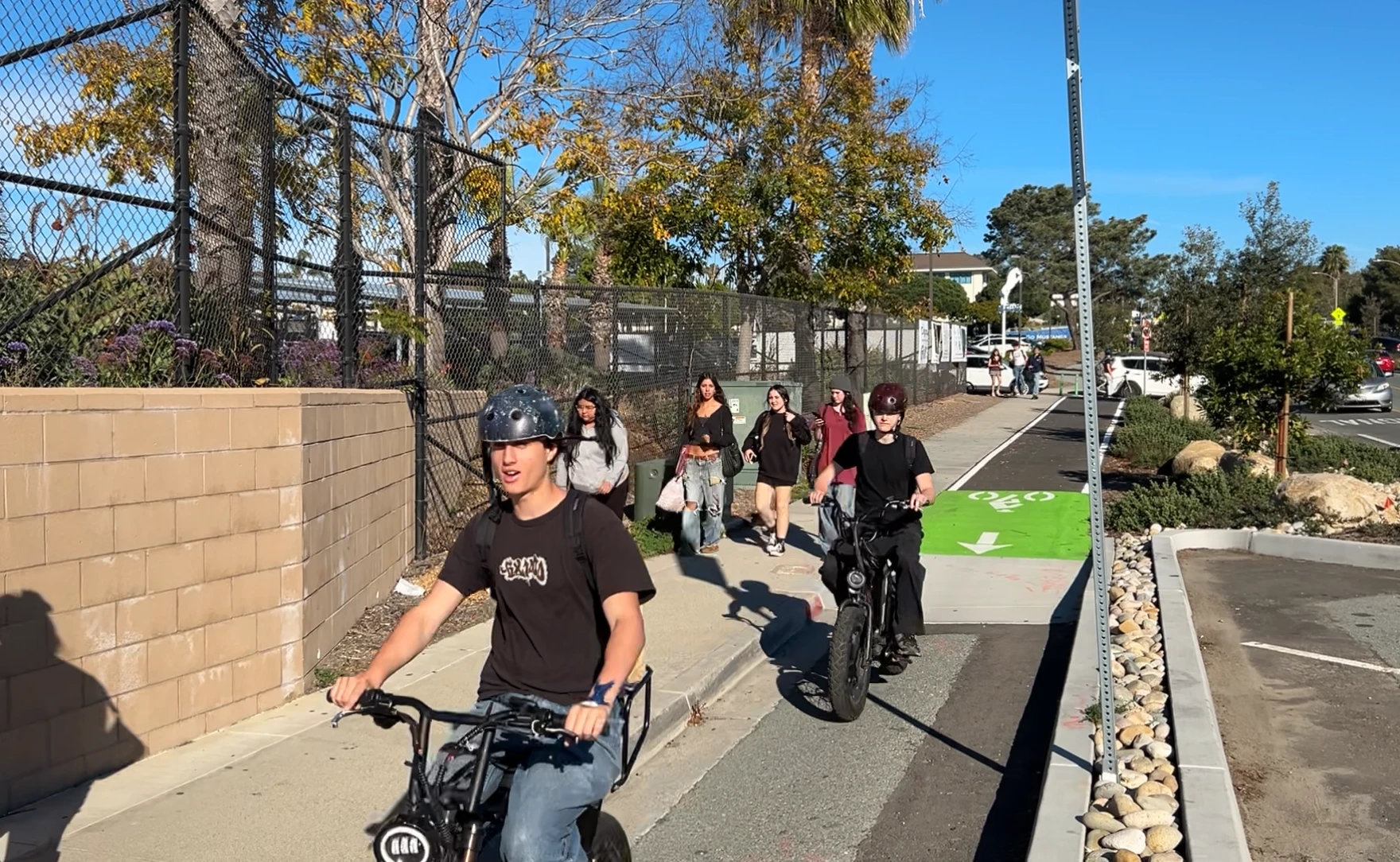
The Encinitas City Council voted to remove recently installed protected bike lanes near San Dieguito Academy after community complaints about traffic and parking. In response to inaccuracies in the original reporting, the Bike Coalition’s Advocacy Manager Ian Hembree contacted the reporter to clarify the evidence supporting protected bike lanes and safer street design.
We came across this comment on a Union Tribute article, and really appreciated what Reuven had to say, so we made a blog post about it! Thank you, Reuven, for putting words to what so many people are feeling. Your comment cuts straight to the heart of the issue: the double standard that exists on our streets.

We recently rode the new Class IV bikeways on Melrose Drive in Vista and found them to be safe, comfortable, and well-designed. Protected lanes offered a dramatic improvement over unprotected sections, where people often resort to sidewalk riding. Concerns about pinch points and access proved largely unfounded. Yet despite broad public support, Vista’s City Council voted to remove the asphalt berms that provide critical separation from fast-moving traffic. This decision—made without safety studies or rider input—undermines the project’s success. Rather than removing protection, Vista should be expanding it to create a truly safe, connected bikeway network for all.

Vista’s new protected bike lanes, especially along Melrose Drive, are under fire—not because they’ve failed, but because they’re succeeding. These Class IV bikeways provide proven safety benefits by separating cyclists from fast-moving traffic, and were approved with strong public support. While some opponents claim they’re inconvenient or unattractive, research shows they reduce crashes by over 50%. Removing them would ignore years of planning and jeopardize progress toward Vision Zero and safer, more equitable streets. Ongoing support is essential to protect this investment in a healthier, more bike-friendly Vista.

Visiting Washington, DC for the 2025 National Bike Summit was an eye-opener — a city where protected bike lanes, leading pedestrian intervals, and micromobility are fully normalized. Locals use bikeshare not because they’re “cyclists,” but because it’s the easiest way to get around, showing that good infrastructure drives behavior. What feels radical in San Diego is already reality in DC — proof that safer, more accessible streets are entirely possible.

Speeding is a major factor in traffic deaths, and current methods like license suspension fail to stop dangerous drivers. California Assembly Bill 981 offers a smarter solution by installing Intelligent Speed Assist (ISA) technology in the cars of high-risk drivers, physically preventing them from exceeding safe speed limits. Supported by advocates across the state, AB 981 is a targeted, life-saving approach that California urgently needs.
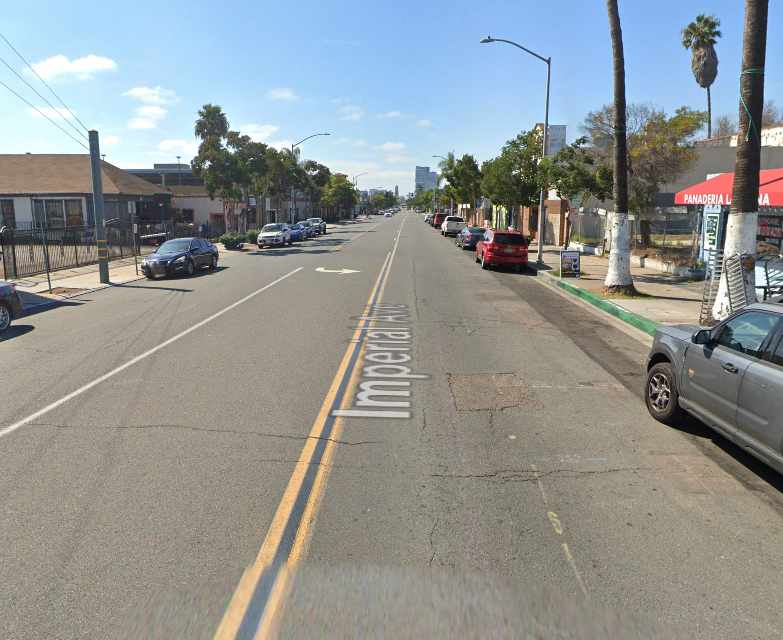
The Imperial Avenue Bikeway Project is a transformational investment for Southeast San Diego, creating safer, more accessible streets for everyone—not just drivers. Despite concerns, bike lanes attract more customers, reduce traffic speeds, and provide affordable transportation options for underserved communities. Similar projects have revitalized neighborhoods like 30th Street in North Park, and Imperial Avenue has the same opportunity to thrive. Learn how this project supports businesses, improves safety, and enhances mobility for all!
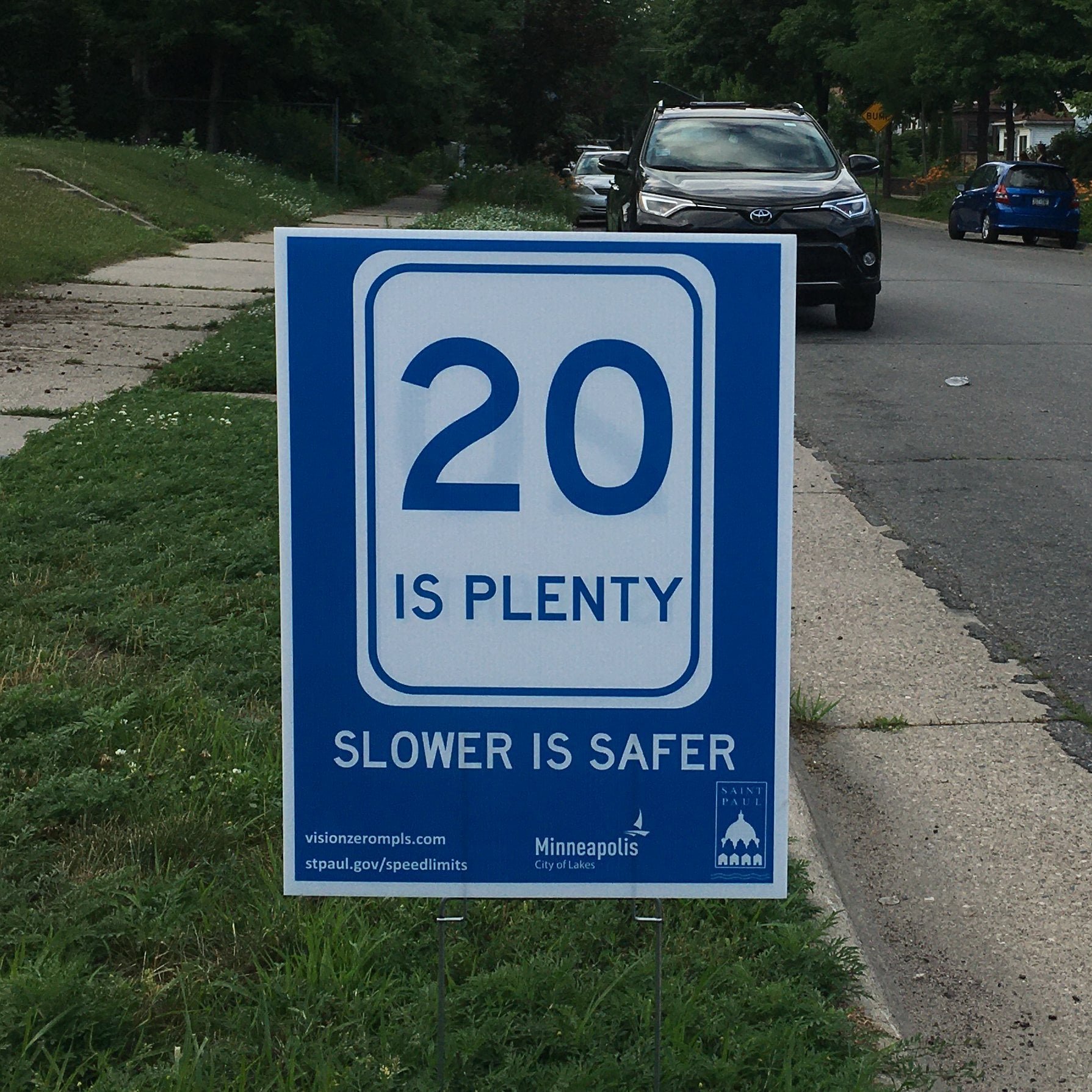
San Diego should adopt 20 mph zones to create safer, more livable streets. Lower speeds improve driver reaction times, shorten stopping distances, and reduce crash severity. A “Twenty is Plenty” campaign, combined with traffic-calming infrastructure, could transform residential neighborhoods into community spaces where walking, biking, and playing are safe for everyone.
Member Q&A & Community Spotlight
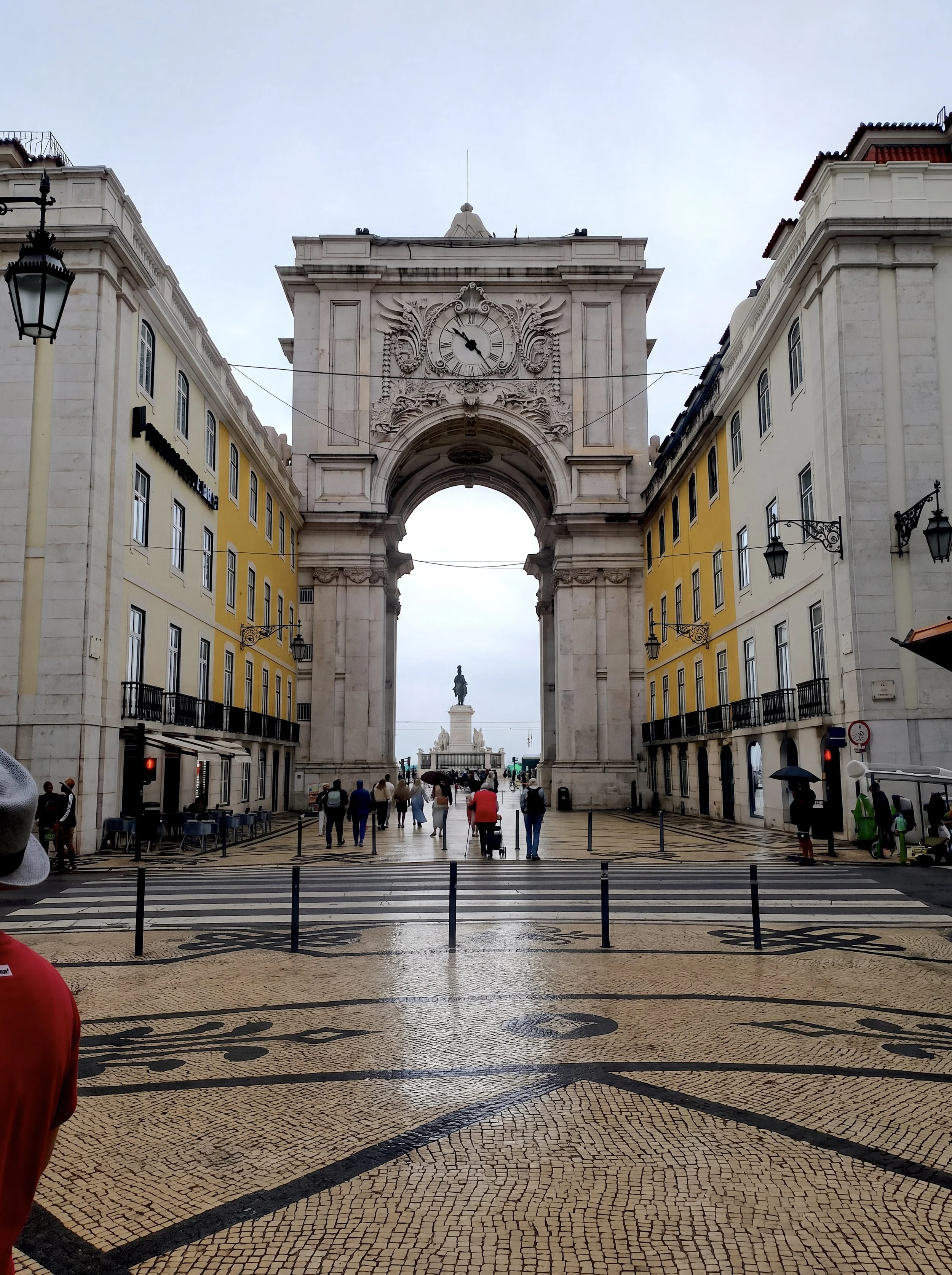
A harrowing story from a ride across the Iberian Peninsula opens this guest post from CORE's Craig Reed on how to ride safely when the heat climbs. From recognizing the signs of heat illness to six practical precautions for hot-weather cycling, here's how to keep every summer ride safe.
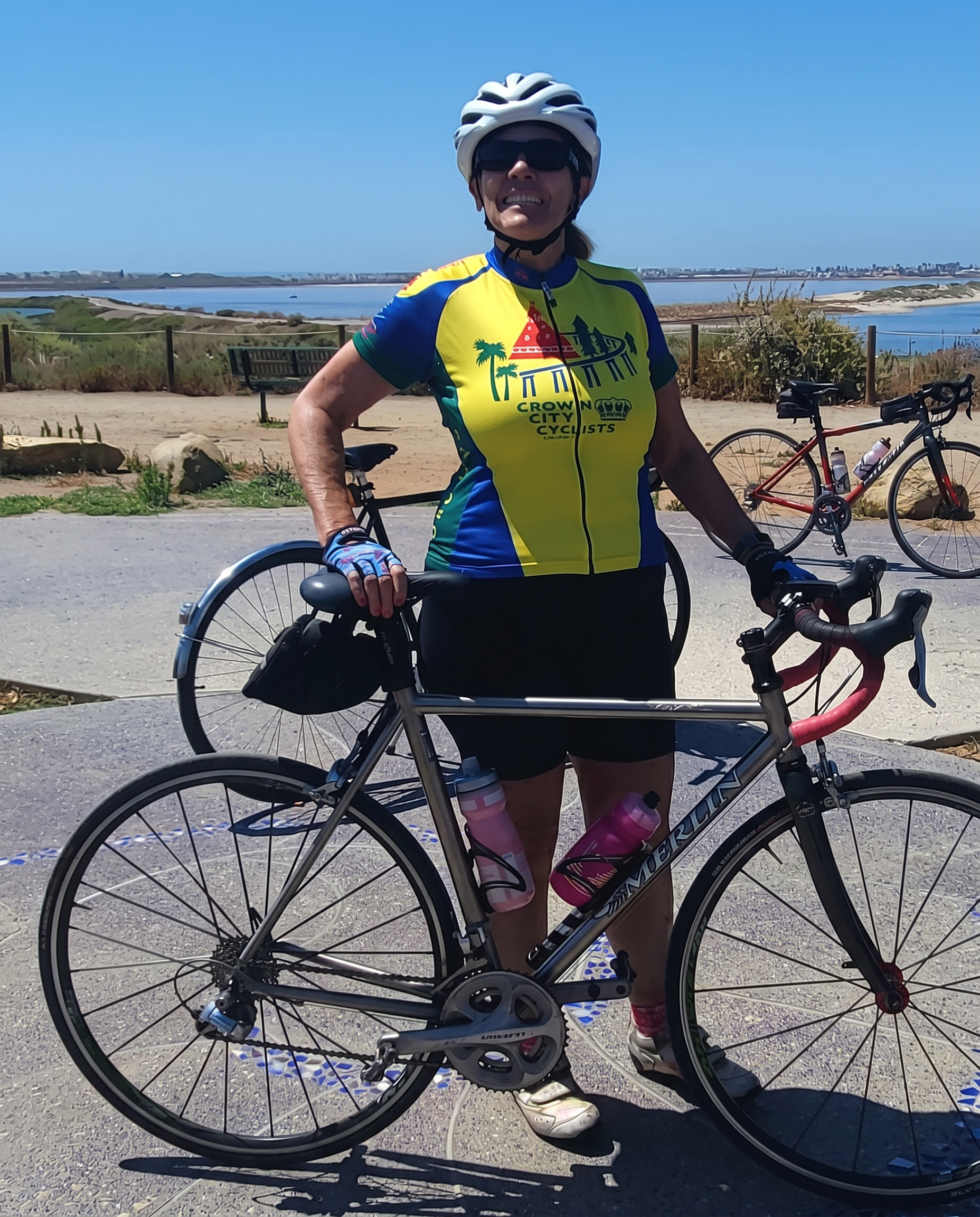
At 74, Barb Trenchi still rides 50 to 100 miles a week on her bike, but her cycling story almost ended 22 years ago with emergency double bypass surgery. One of the Bike Coalition’s top bike instructors, and the 2023 Educator of the Year, Barb has spent 45 years riding, leading, and inspiring others. Read her remarkable story…
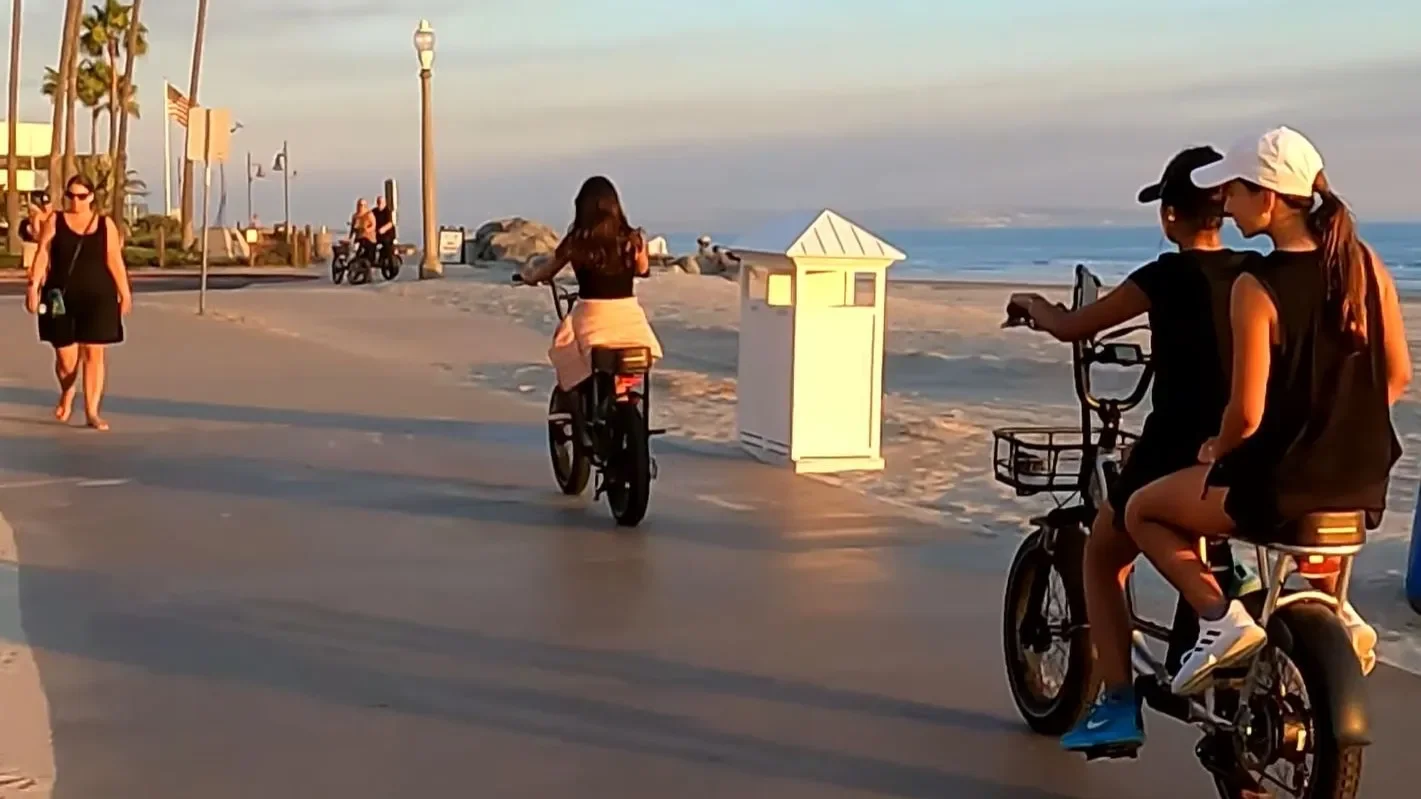
Most bike and e-bike laws are set at the state level. However, Assembly Bill 2234 (2024) introduced new rules that allow cities to opt in. Read on to hear our response to Crystal’s timely question.

Michelle, a Clairemont e-bike commuter, asked about backlash to new bike lanes. We explained Clairemont Drive’s urgent safety needs, how protected bikeways benefit all users, and that improvements align with long-term planning. Supporters can help by contacting Councilmember Campbell, sharing facts, and engaging with the Community Plan.

Brian reached out for our perspective on Vista’s controversial removal of newly installed bike lane barriers. Coalition leaders Chloé and Ian shared their concerns about safety, cost, and precedent. Read their full responses and join the conversation!

Craig asked why we support parking-protected bike lanes, expressing concern about hazards like dooring and pedestrians on the Cardiff Cycle Track. Ian responded by affirming that parking-protected bikeways are recommended by experts and increase safety, but must be well-designed to avoid common issues. He explained how better daylighting, wider buffers, curbs, and sidewalk space can address concerns about visibility, dooring, and maneuverability. The problems seen in Cardiff are not inherent to the bikeway type but rather reflect compromised design. We continue to advocate for lane reductions on Coast Highway 101 to allow space for safer, more functional protected bikeways for all road users.
Letters of Support
The Bike Coalition joined 39 partner organizations in a letter to Chair Cortese supporting AB 2168 (Wicks). The bill strengthens California's Active Transportation Program by prioritizing projects that connect walking and biking to transit, improving accountability for the timely use of funds, and ensuring disadvantaged communities gain equitable access to safe, affordable transportation options.
The San Diego County Bike Coalition joined 41 partner organizations in a letter to Chair Wilson supporting SB 569 (Blakespear). The bill establishes a transparent process requiring local agencies to conduct a safety analysis and hold a public comment period before removing any bikeway, ensuring political pressure is balanced against safety and connectivity for vulnerable road users before safe infrastructure is torn out.
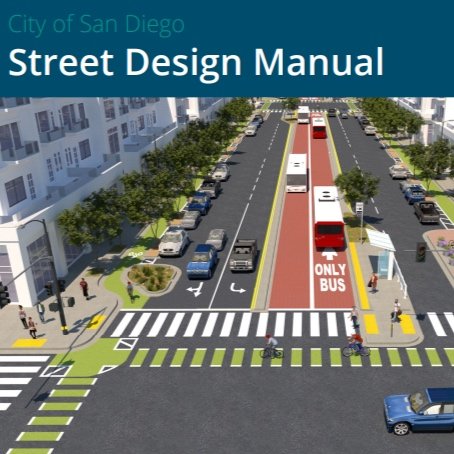
The Bike Coalition and Vision Zero partners submitted key recommendations for the City’s updated Street Design Manual. Priorities include safer design principles, narrower lanes, protected bike infrastructure, better pedestrian access, and lower speed limits.
A coalition of advocacy organizations urged Mayor Gloria to prioritize spending Community Parking District revenues on pedestrian and bicycle safety improvements. The letter calls for directing funds to fix the City’s most dangerous “Fatal 15” intersections and investing remaining revenue in safety infrastructure, emphasizing that parking-generated funds should be used to prevent traffic deaths and advance Vision Zero goals.
Advocates are urging SANDAG to fully fund and expedite long-delayed bicycle and pedestrian projects approved under the 2013 Early Action Program. The letter highlights stalled and omitted projects, warning that continued delays undermine Vision Zero, climate, and mobility commitments, and calls on SANDAG to restore missing projects and ensure timely construction.
A coalition of mobility, planning, and student organizations expressed strong support for the College Area Community Plan Update, citing its investments in transit priority lanes, transit-oriented development, safer biking and walking infrastructure, and expanded green spaces. The letter urges City Council to approve the plan and highlights its potential to create a safer, more affordable, and more vibrant College Area for students, residents, and workers.
Advocates across California, including the San Diego County Bicycle Coalition, are urging state leaders to support pedestrian and bicycle safety education for all public school students. Universal public education is one of the Coalition’s top priorities, and this letter underscores the critical role early, consistent instruction plays in improving safety, advancing climate goals, and ensuring young people, especially as e-bike use grows, have the skills to move confidently and safely in their communities.
A coalition of advocacy organizations is calling on the California Air Resources Board to restore funding for the Electric Bicycle Incentive Project after remaining funds were reallocated. The letter emphasizes the program’s success in helping thousands of low-income Californians access e-bikes, the overwhelming public demand, and the importance of continued investment in equitable, climate-friendly transportation solutions.
Following Encinitas City Council’s decision to remove protected bike lanes and traffic calming near San Dieguito Academy, a community member raised concerns about whether the action complies with the California Coastal Act. The letter requests guidance from the Coastal Commission on whether the changes constitute development requiring a Coastal Development Permit and outlines steps to appeal the decision to ensure previously approved safety features are protected.
In light of the preventable tragedy that befell a cyclist in the early hours of Saturday, September 13th, we urge the City and its government to rethink its previous hesitation in implementing separated bikeways within its borders. According to the Federal Highway Administration’s Bikeway Selection Guide, roadways with travel speeds of 35 miles per hour and/or high traffic volumes are deserving of bike facilities that physically separate cyclists from motor vehicle traffic.
Advocates thanked the City for supporting SB 79, a policy that allows more housing near transit while protecting tenants and preserving affordability standards. The letter highlights the success of recent transit investments, the urgent housing affordability gap, and broad regional support for SB 79 as a way to reduce car dependence, strengthen transit use, and ensure communities across San Diego County share responsibility for housing working families.
The Bike Coalition and Vision Zero partners submitted a letter urging SANDAG to strengthen safety, equity, and climate action in the 2025 Regional Plan. Recommendations include prioritizing core transit, advancing active transportation, improving regional bikeways, and supporting interoperable micromobility systems.
Read the letter
A coalition of bicycle and pedestrian advocacy organizations submitted formal recommendations to California state agencies urging stronger bicycle parking standards in the 2025 CALGreen code. The letter calls for clear definitions, safer and more accessible bike parking for all bike types, alignment with national best practices, and clarity on how new state legislation may affect implementation of these long-awaited safety improvements.
The Bike Coalition and safety partners submitted a letter urging Encinitas to conduct a full analysis of the 101 Highway cycle track before considering its removal. Priorities include accurate data, thorough evaluation, improved maintenance, community engagement, and safer design.
The San Diego County Bicycle Coalition submitted a letter supporting proposed reforms to Community Parking District policies, urging the City to adopt changes that ensure equitable community representation, needs-based spending, and greater transparency. The Coalition emphasized that parking districts manage public funds and should better reflect and serve the full diversity of their communities through inclusive governance and public oversight.
San Diego’s Vision Zero Coalition is urging city leaders to prioritize street safety in the FY26 budget, with a focus on getting kids to school safely. Advocates are calling for investments in critical corridors, fixing the city’s most dangerous intersections, and implementing lower speed limits in school zones.
California bike advocates urge leaders to target illegal electric motorcycles, not legal e-bikes. Misdirected policies penalize riders instead of improving safety. The real solution? Cracking down on mislabeled motorbikes, expanding bike infrastructure, and improving education for all road users. Let’s protect e-bike riders and make streets safer for everyone.
Advocacy Manager Ian Hembree on Bike Talk Podcast
Vista, California’s Mayor John Franklin says a fully installed protected bike lane is evidence of an “anti-vehicle agenda.” San Diego Bicycle Coalition Advocacy & Community Manager Ian Hembree sheds light (13:44).
The San Diego County Bike Coalition and regional partners are building momentum for a docked e-bike share network across San Diego County, addressing past failures from dockless systems that created sidewalk clutter and safety issues. The proposed system would feature designated docking stations, electric-assist bikes to tackle San Diego's hilly terrain, and funding sources that would not require new taxes or large user fees. The coalition is actively recruiting cities, agencies, and community organizations to join a regional MOU coalition to make it happen.
Read the Article