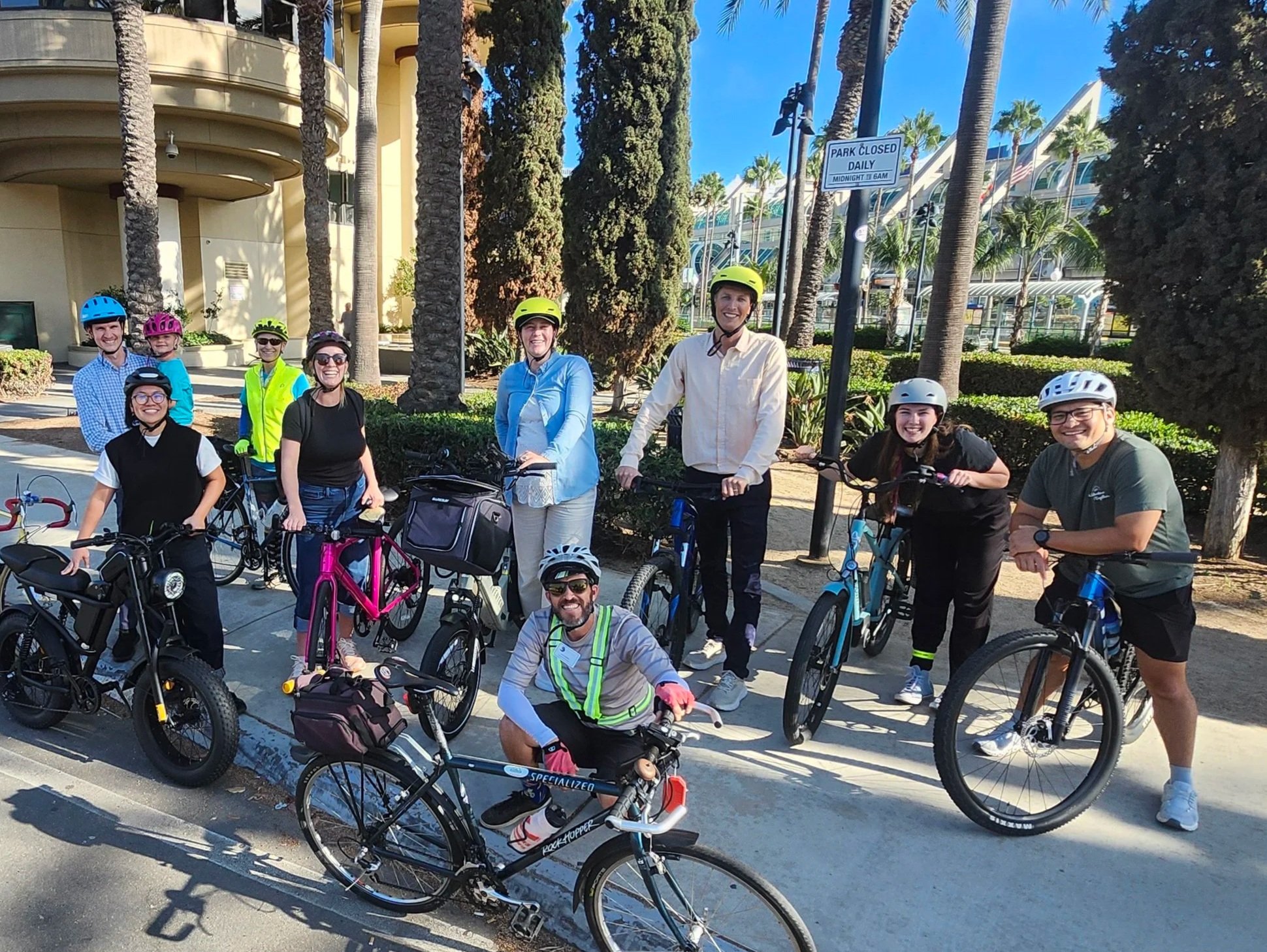
Helmet Fitting Guide
Equipment
Find the Right Helmet for How You Ride
A helmet is the single most important piece of safety gear you own. But not all helmets protect equally, and the most surprising part? Price and brand name don't reliably predict safety.
What the Research Tells Us
This guide is built on independent helmet safety research, including the widely respected ratings from the Virginia Tech Helmet Lab, which tests how well helmets reduce both direct and rotational impact in a crash. Our goal is simple: help you choose a helmet that fits your riding, your budget, and your safety.
Disclaimer: a few things to know before you shop
Expensive doesn't mean safer. Independent testing consistently shows that some moderately priced helmets outperform premium ones. A well-rated helmet at a lower price can protect you better than a costly one with a big name.
Look for rotational protection. Many crashes involve the head twisting on impact, not just a straight hit. Look for technologies like MIPS, WaveCel, and Koroyd are designed to reduce that rotational force.
The best helmet is the one you actually wear. Find one that fits well and feels good every ride.
Helmets by Use Case
We've grouped some recommendations by how and where you ride. Find your style below.
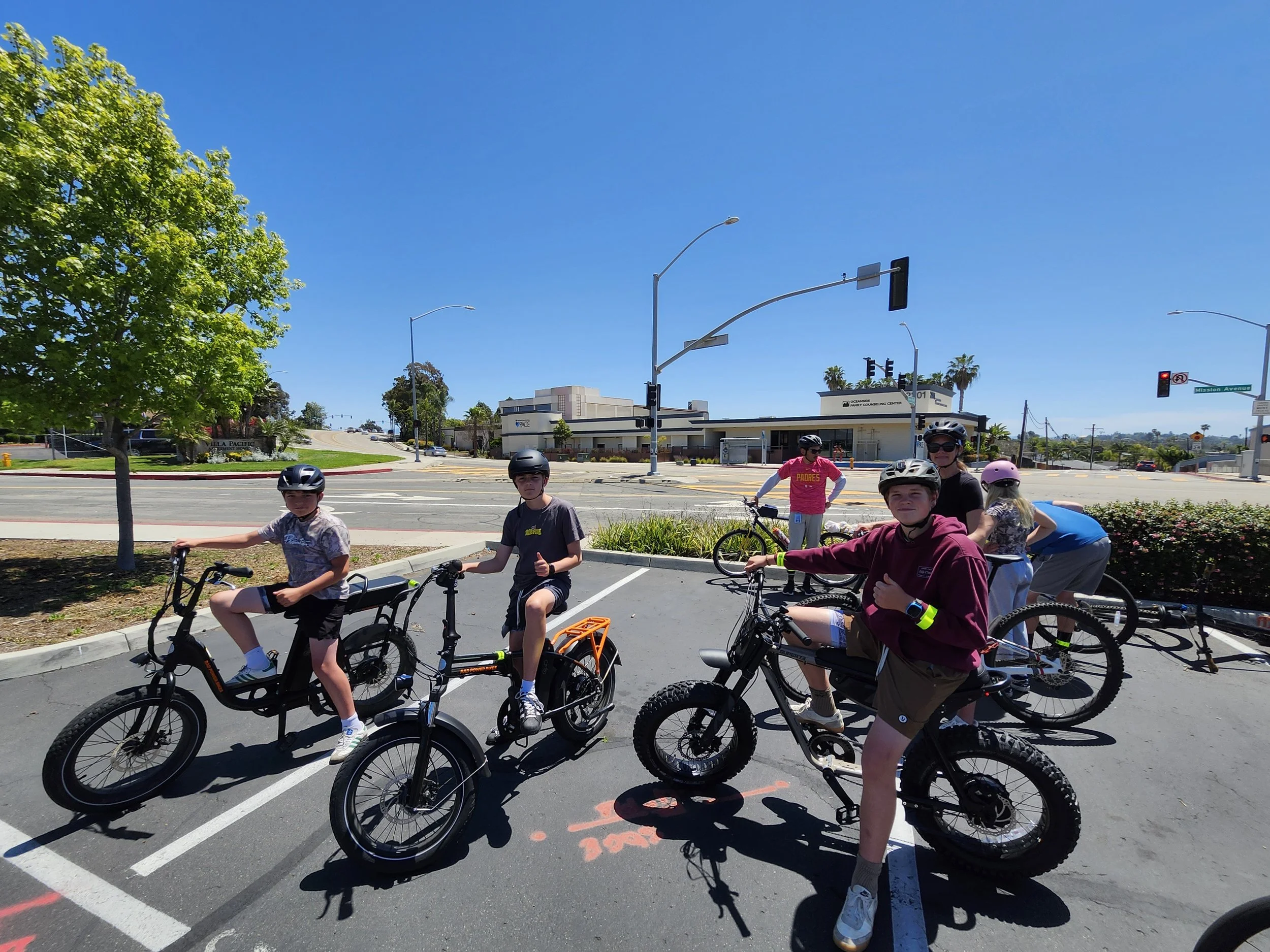
1. E-Bike and Street Riding (Kids and Adults)
For riders spending time on streets and in traffic, often at higher e-bike speeds. These helmets prioritize visibility, durability, and protection at the speeds e-bikes reach.
2. Road Cycling
For riders moving at speed on the road. These helmets balance strong impact protection with the ventilation and light weight that road cyclists want on longer, faster rides.

3. Casual and Beach Cruiser Riding
For everyday, low-speed riding around the neighborhood or the boardwalk. These helmets focus on comfort, easy fit, and everyday wearability for the trips that make up most of our riding.